Hike to heal: Tour de Peyre Arse (Auvergne, France)

This is a long post about the first hike in September 2020, but to me this tough hike represents the turning point in a very difficult period in my life, a point where I finally started to get out of my head. So it deserves some attention.
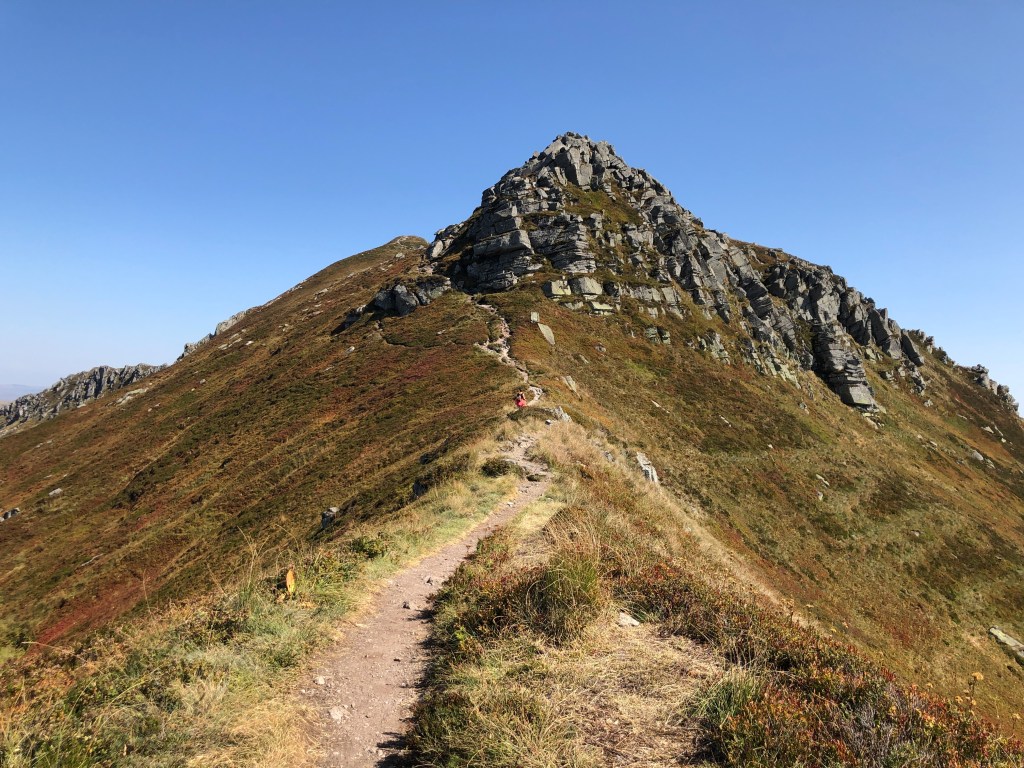
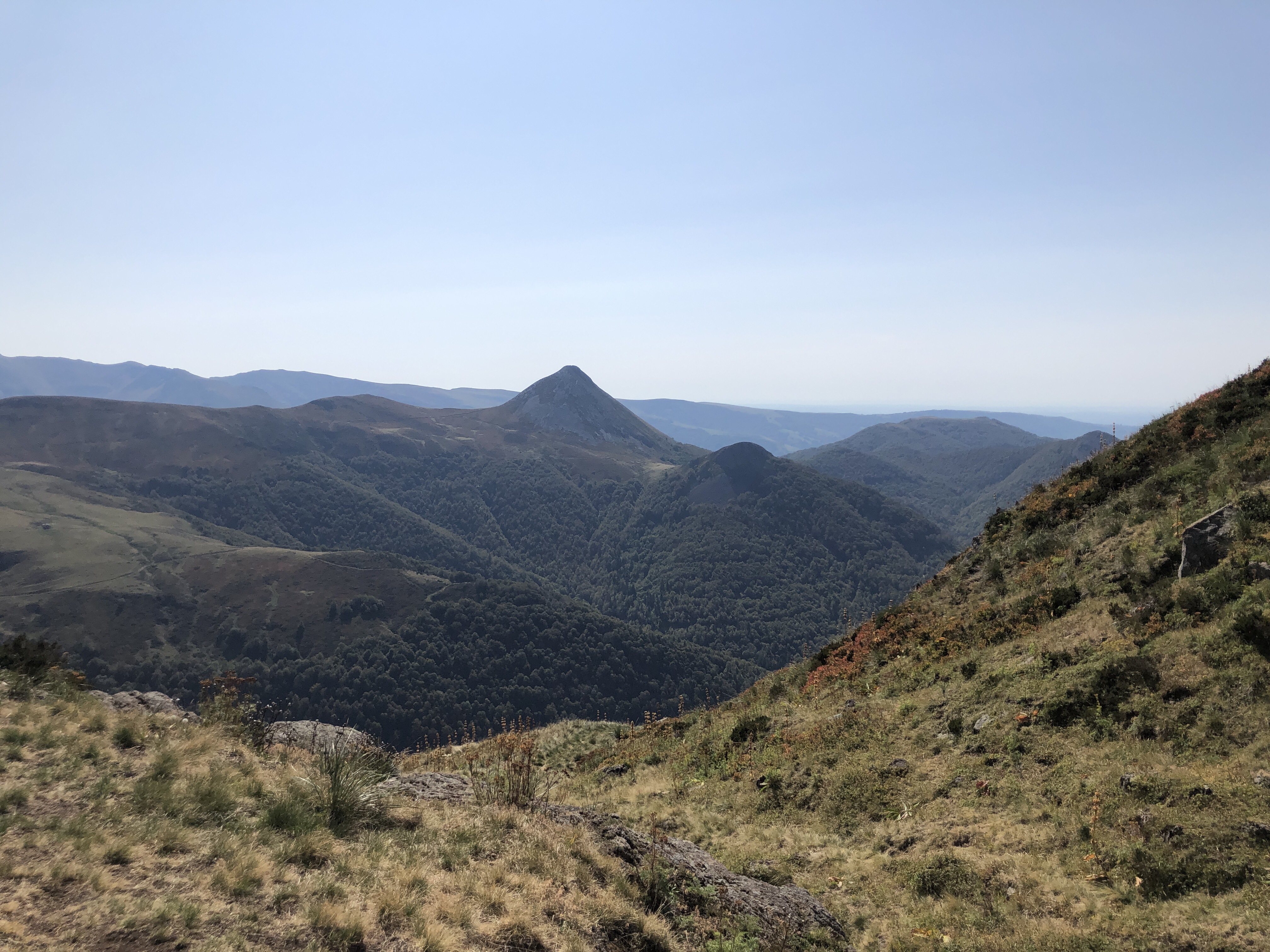
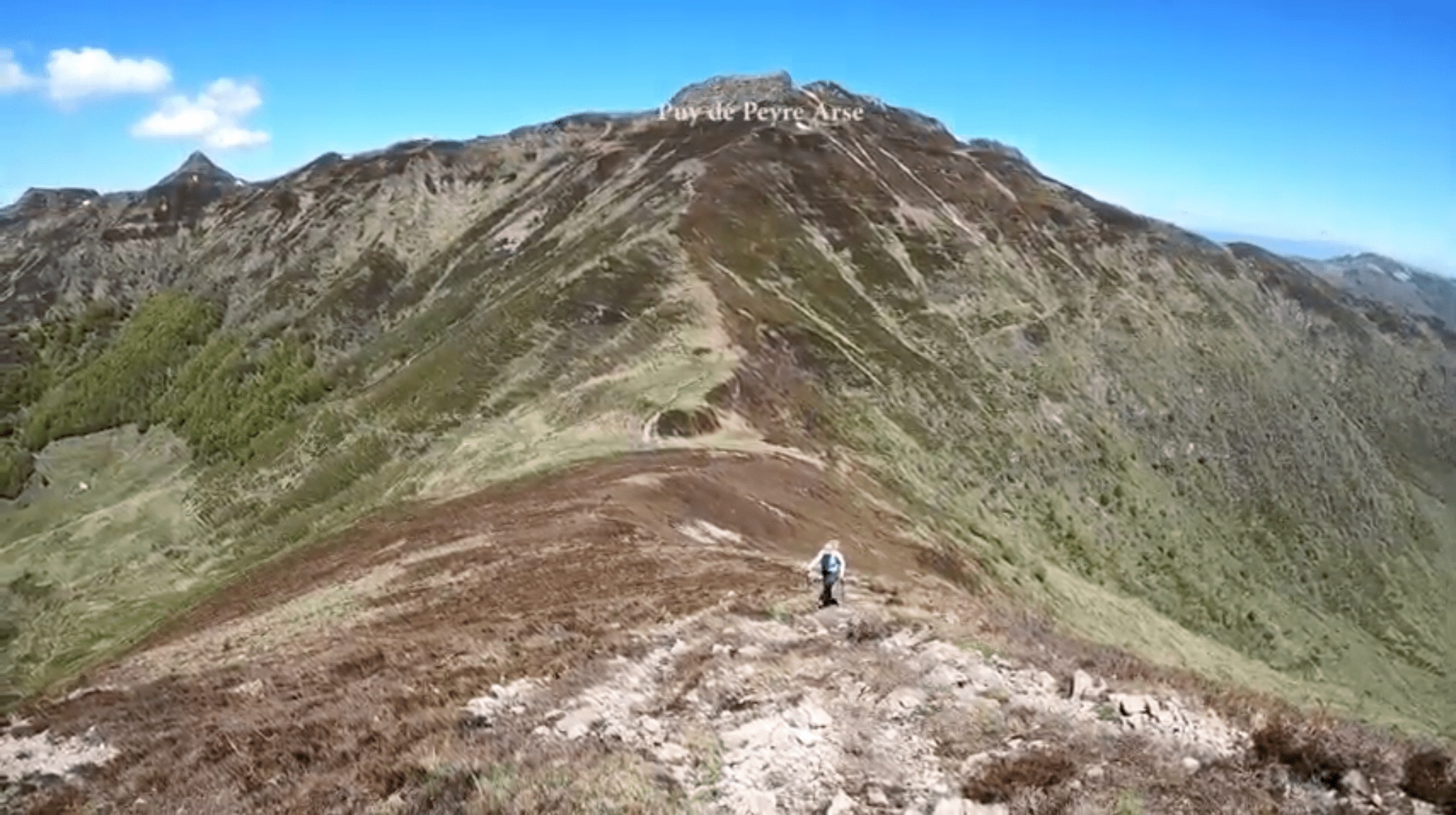
Puy de Peyre Arse

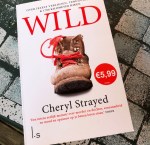
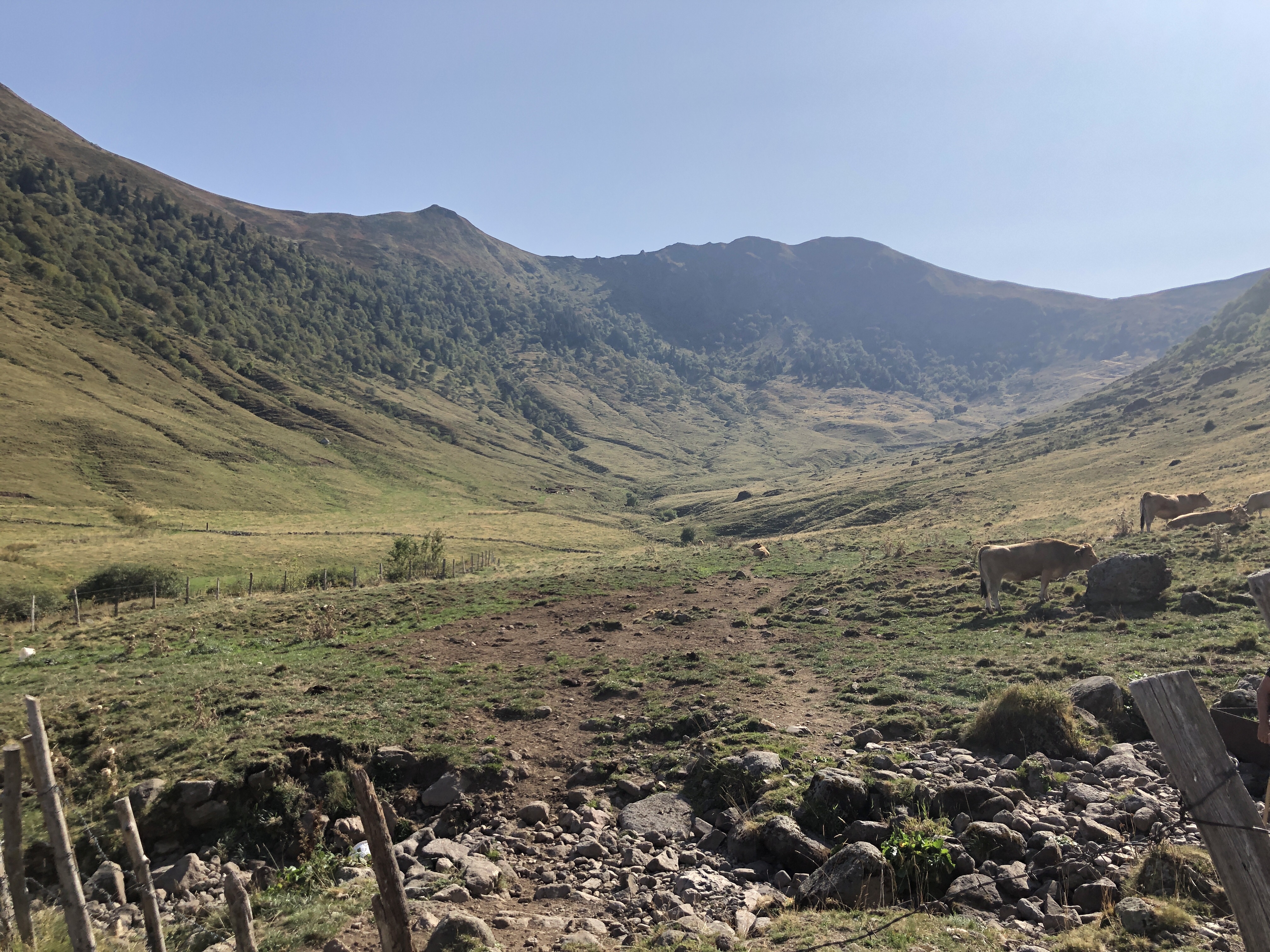
When my brother, SIL and I went on (a corona proof) vacation to France in september 2020 I hadn’t read a book that year at all. Being an avid reader that means something is not okay and one of my goals in France beside getting my head clear was to start reading again. The first book on my list was ‘Wild’ by Cheryl Strayed. Wild is the story of a young woman who goes on a 1700 km solo hike on the Pacific Crest Trail in the USA when she is at the lowest point of her life. It’s a hellish journey, emotional and physical, with a big and heavy backpack (aptly called Monster), but in the end it has made her stronger than she ever was before. Although I hadn’t finished the book at that time it already helped me during the first hike: the Tour de Peyre Arse. A medium difficult hike, as the description said, but I’m not sure I want to know what a difficult hike is after this day ….
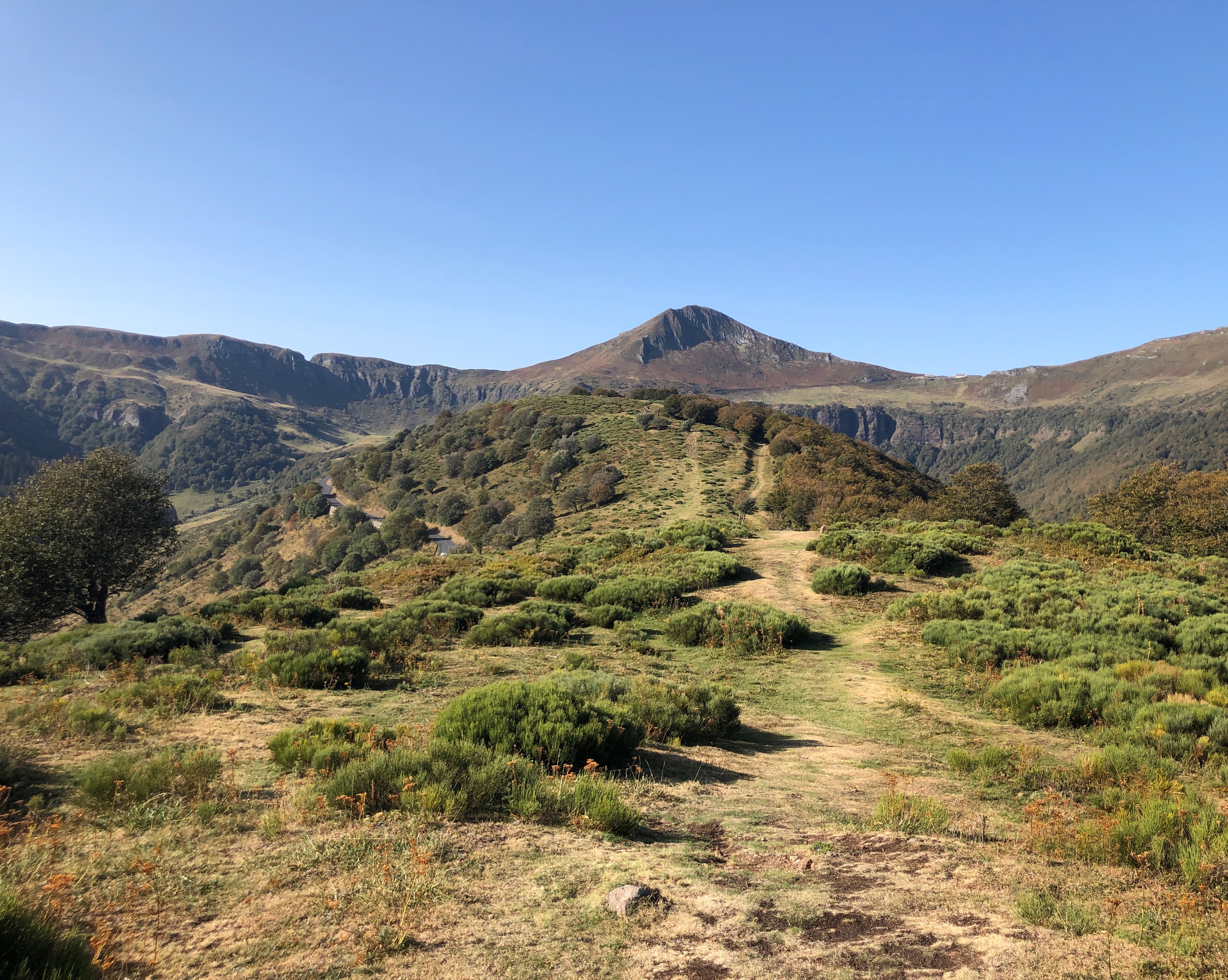
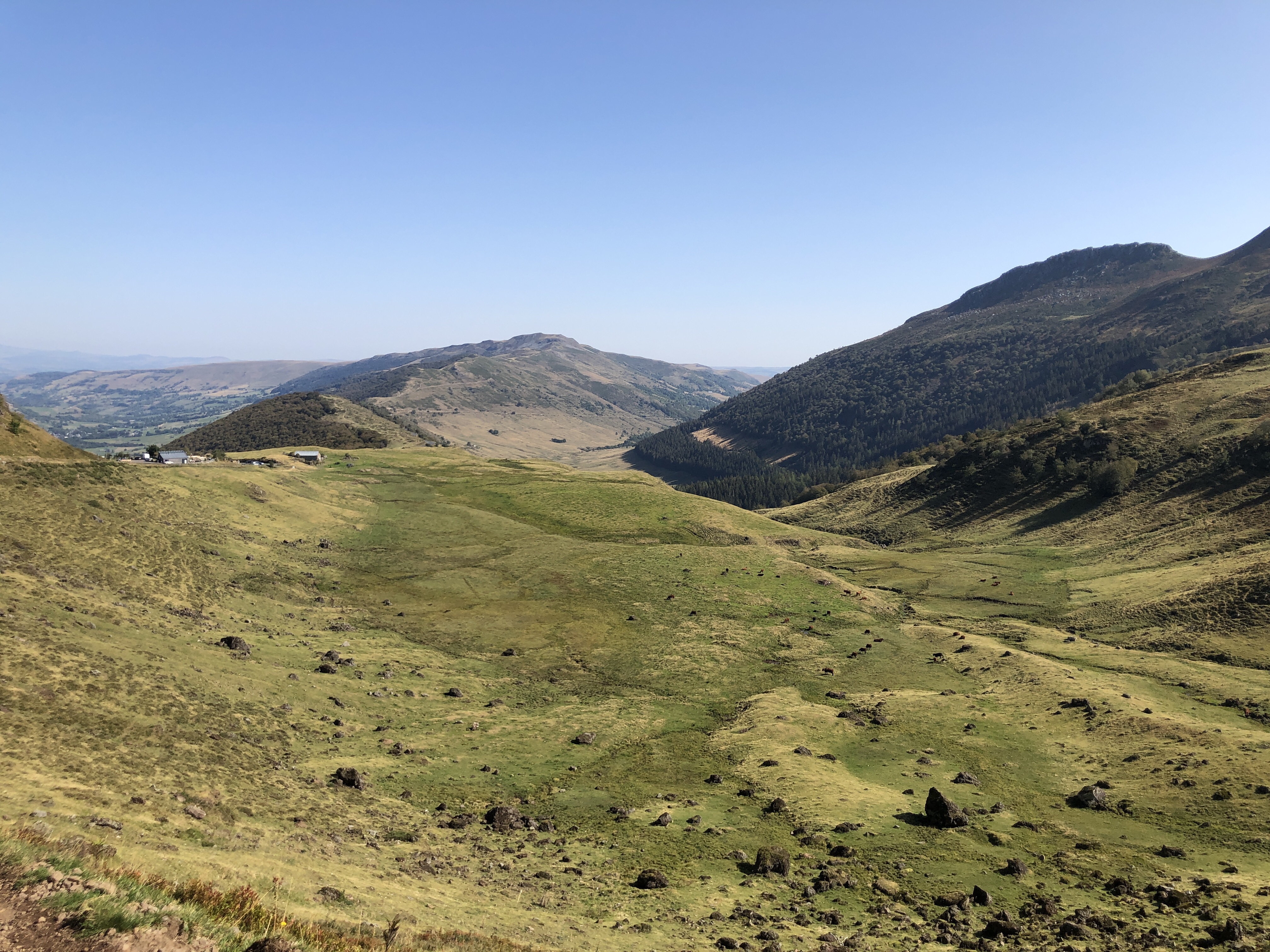
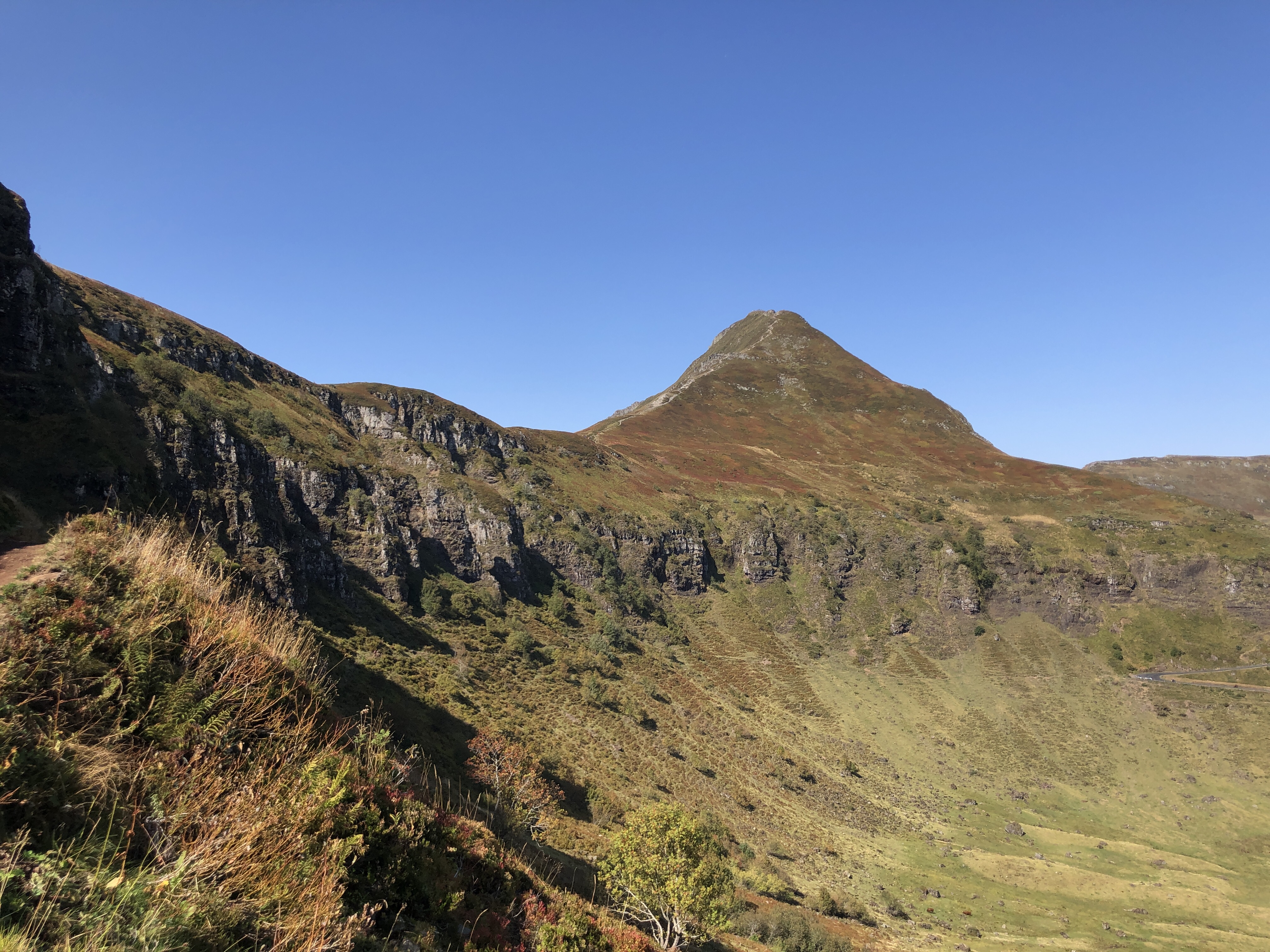
A Puy is a mountain of vulcanic origin and the Puy de Peyre Arse in the Auvergne is one of the highest mountains of the Monts du Cantal, with the summit at 1806 mtr.

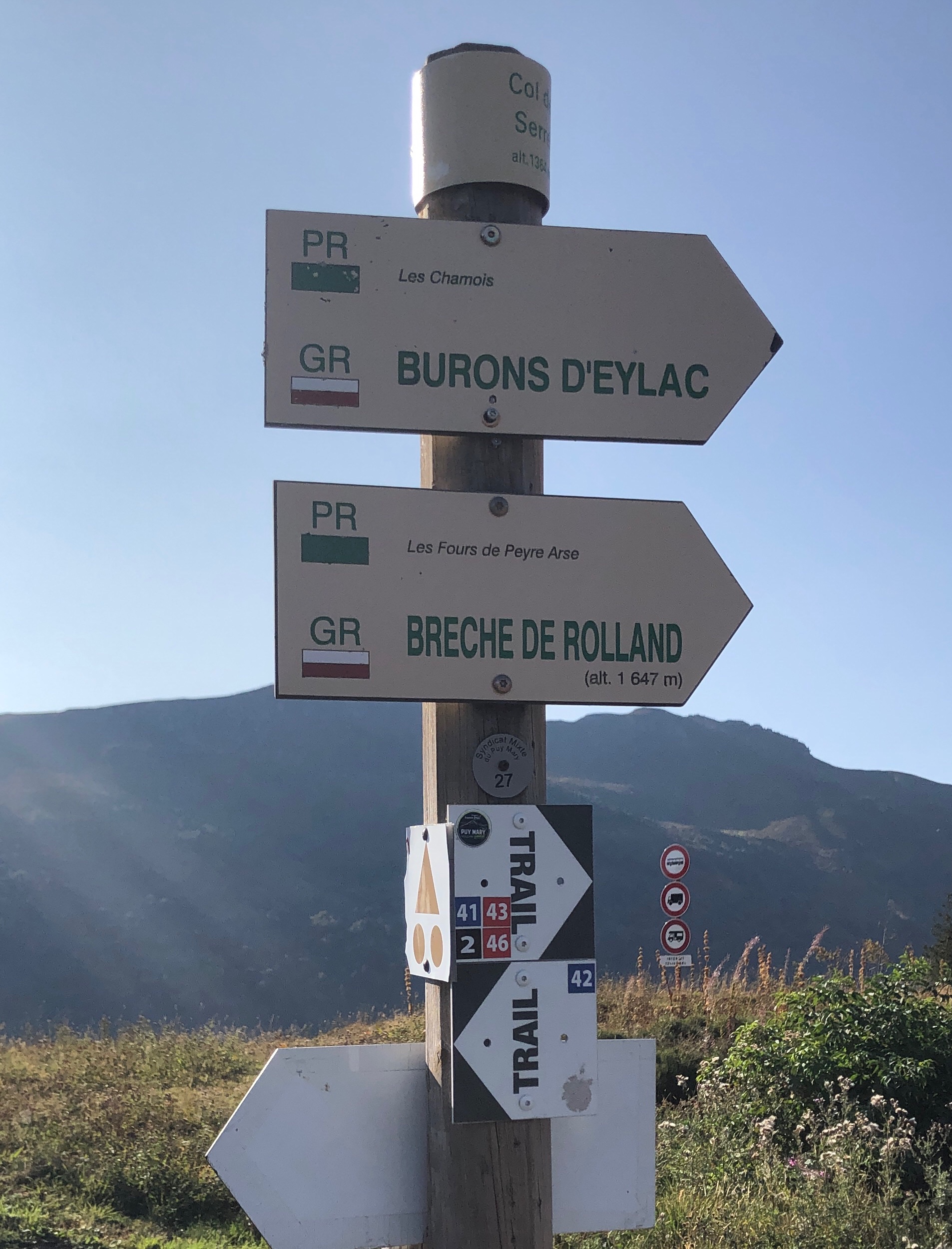
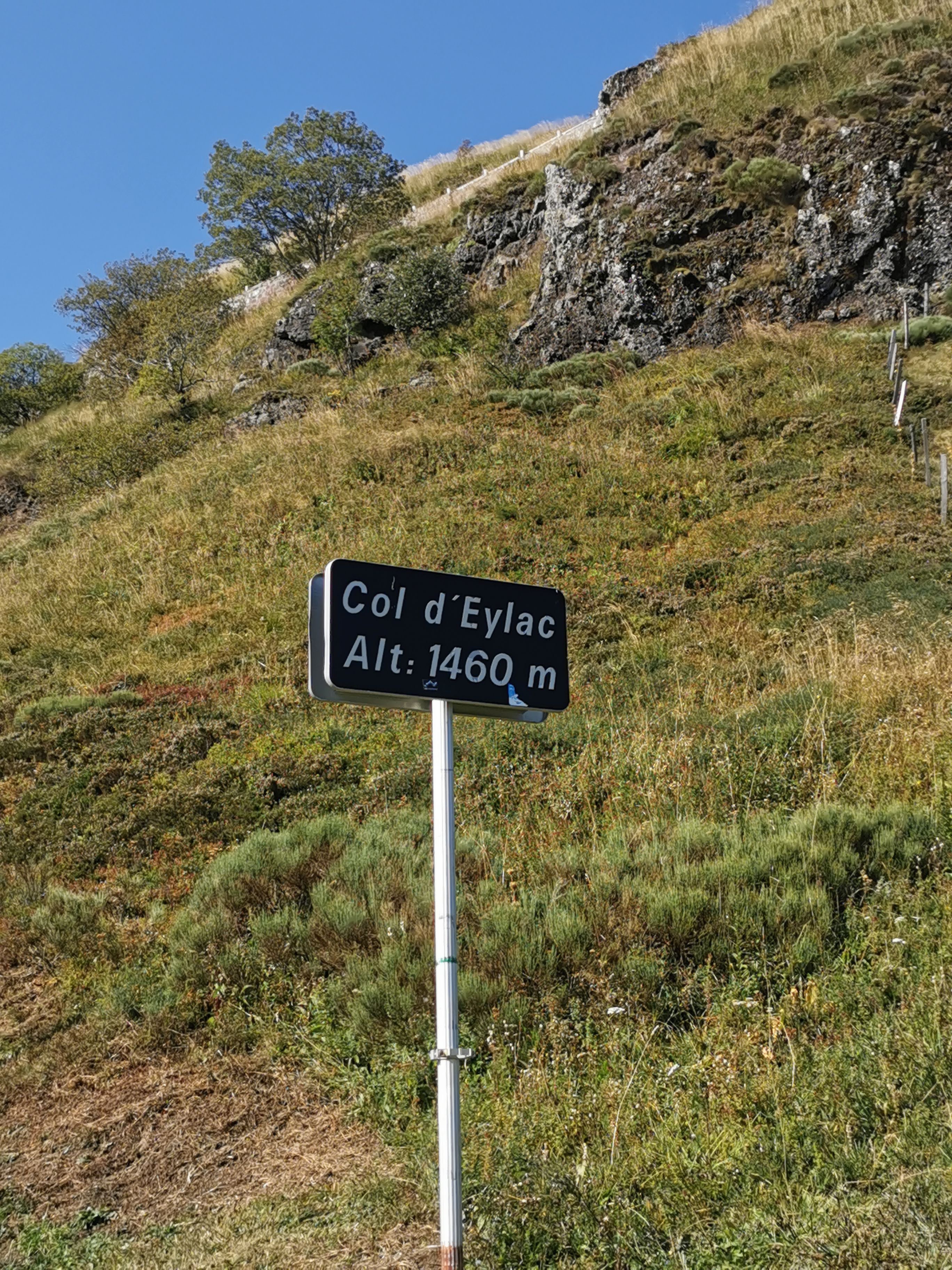
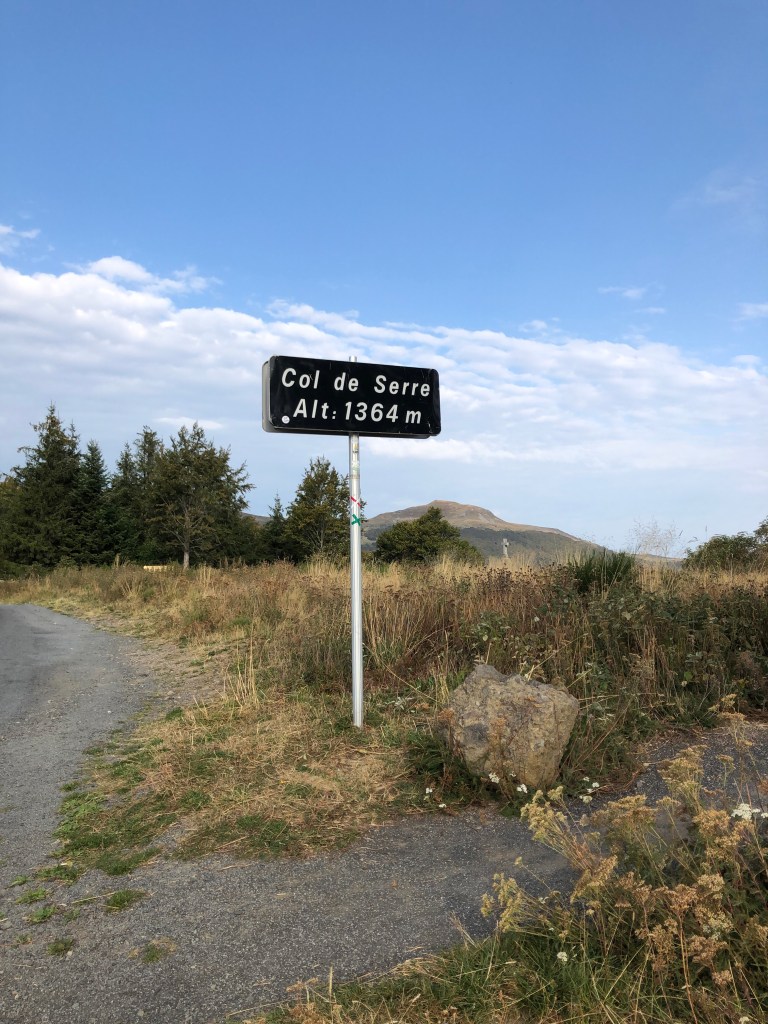
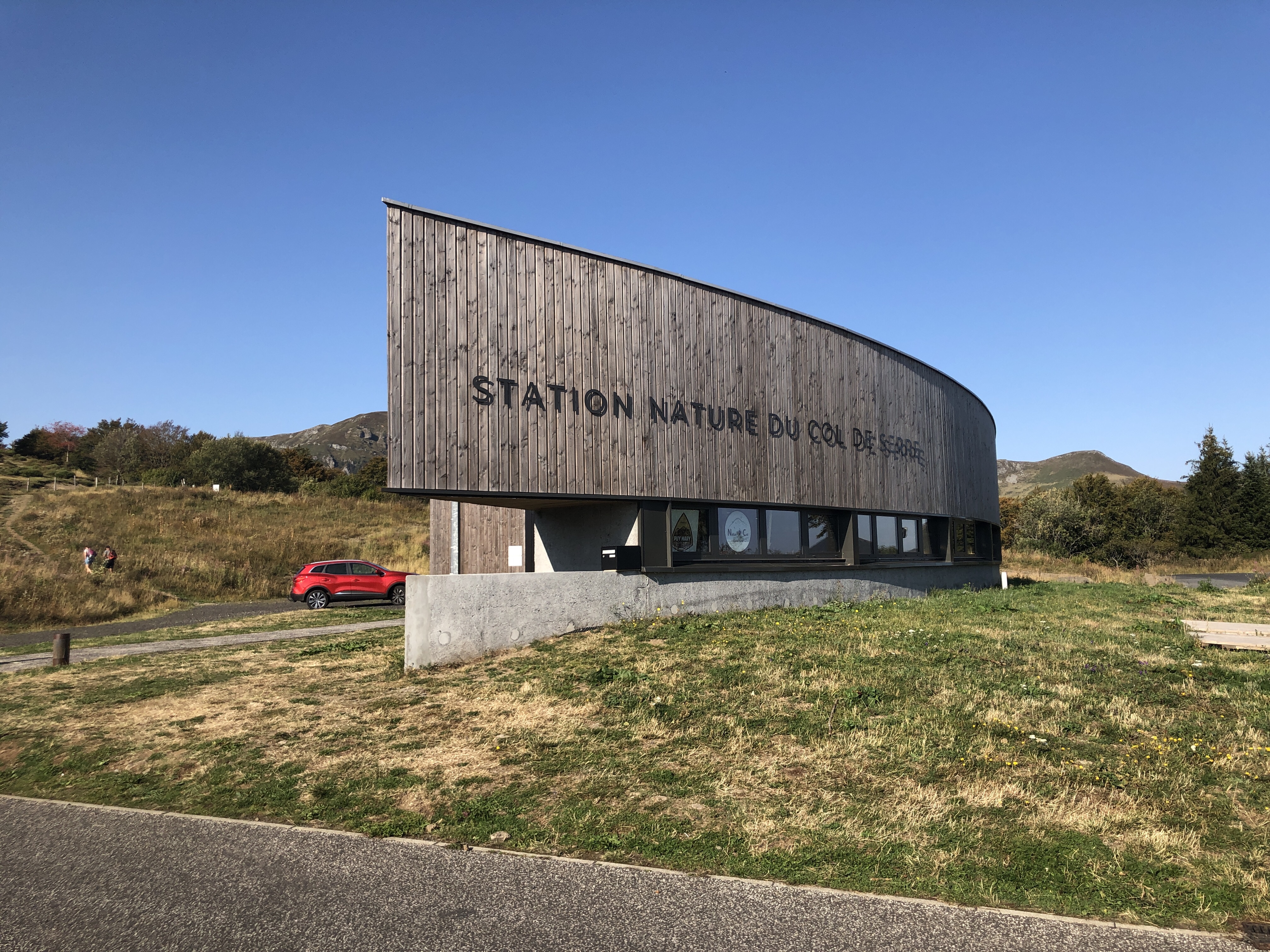
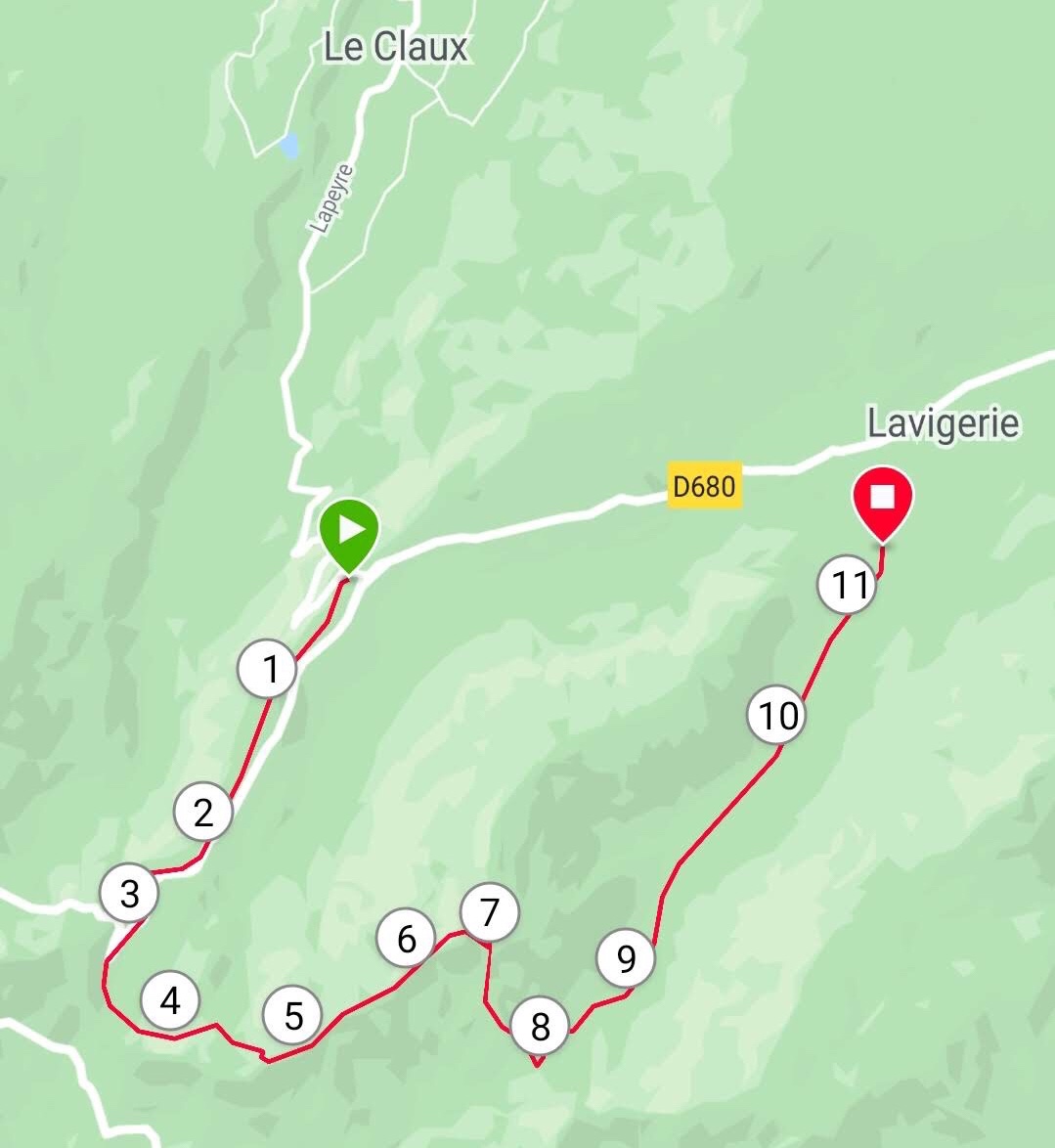
The starting point of the 15 km trail is at the Col de Serre at an altitude of 1364 mtr. The trail starts at the Nature Station with an easy 3 km path, gradually climbing to the Col d’Eylac at 1460 mtr, parallel to the main road. It was a nice day, sun was shining, sky was blue and the surroundings amazing, simply a great day for a hike…..
And then there was a gate…… And everything changed once we got through it…..

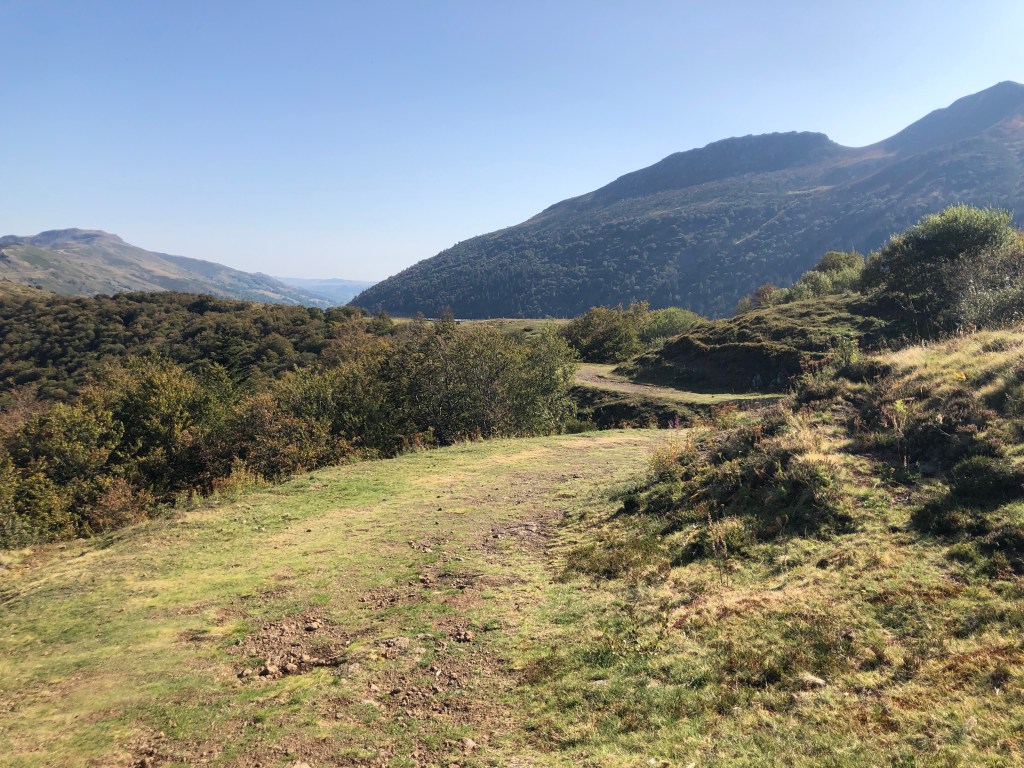
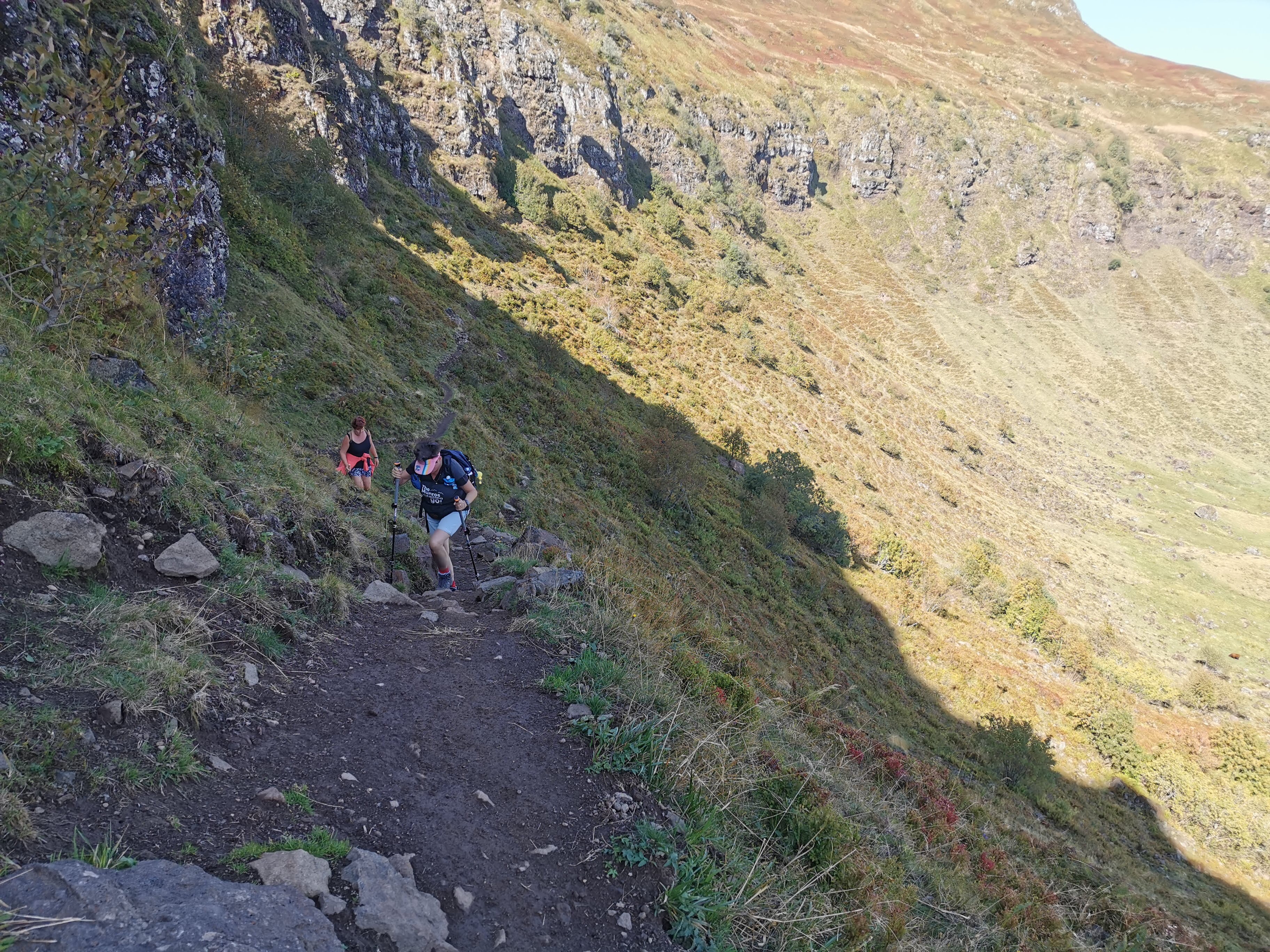
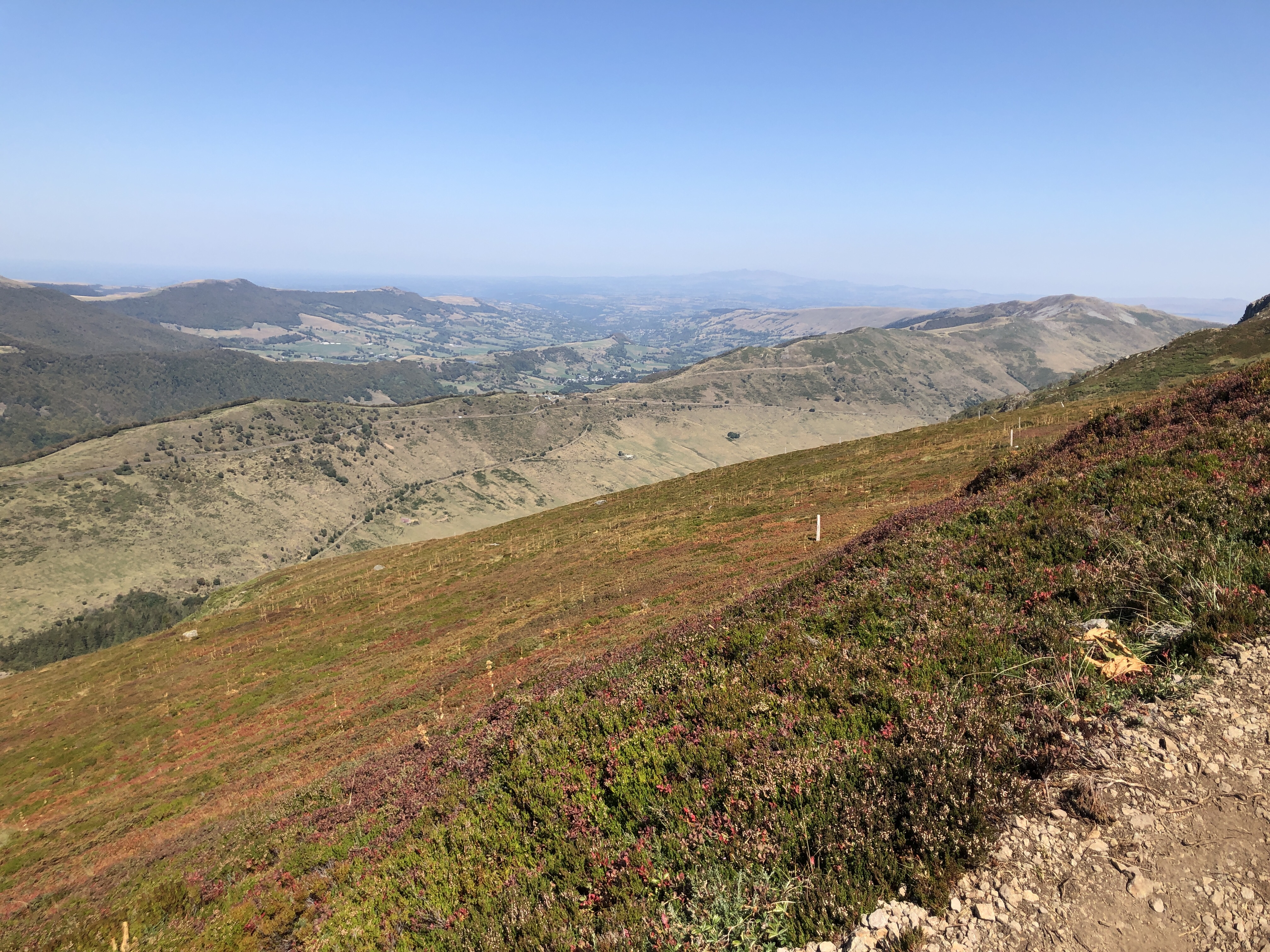
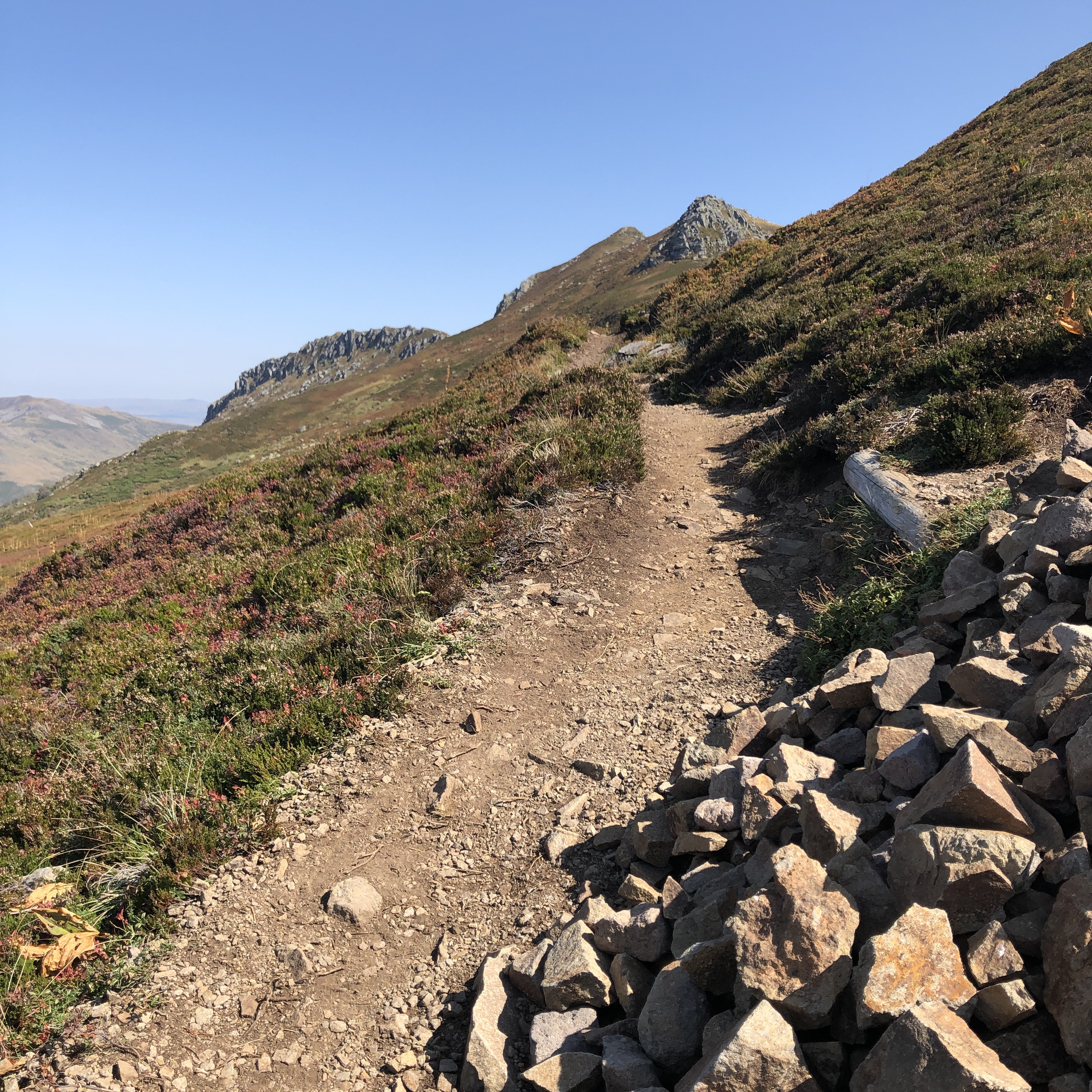
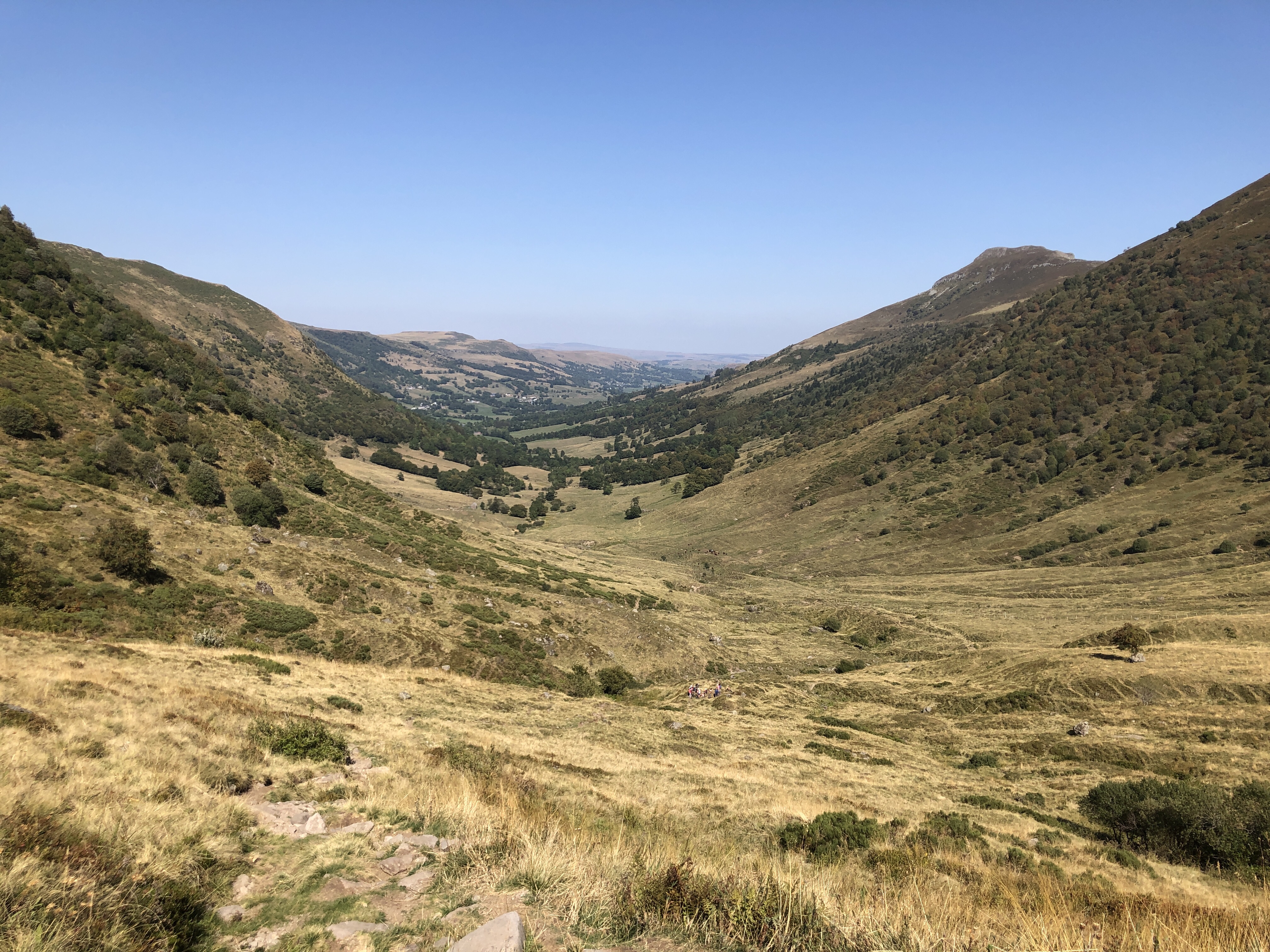
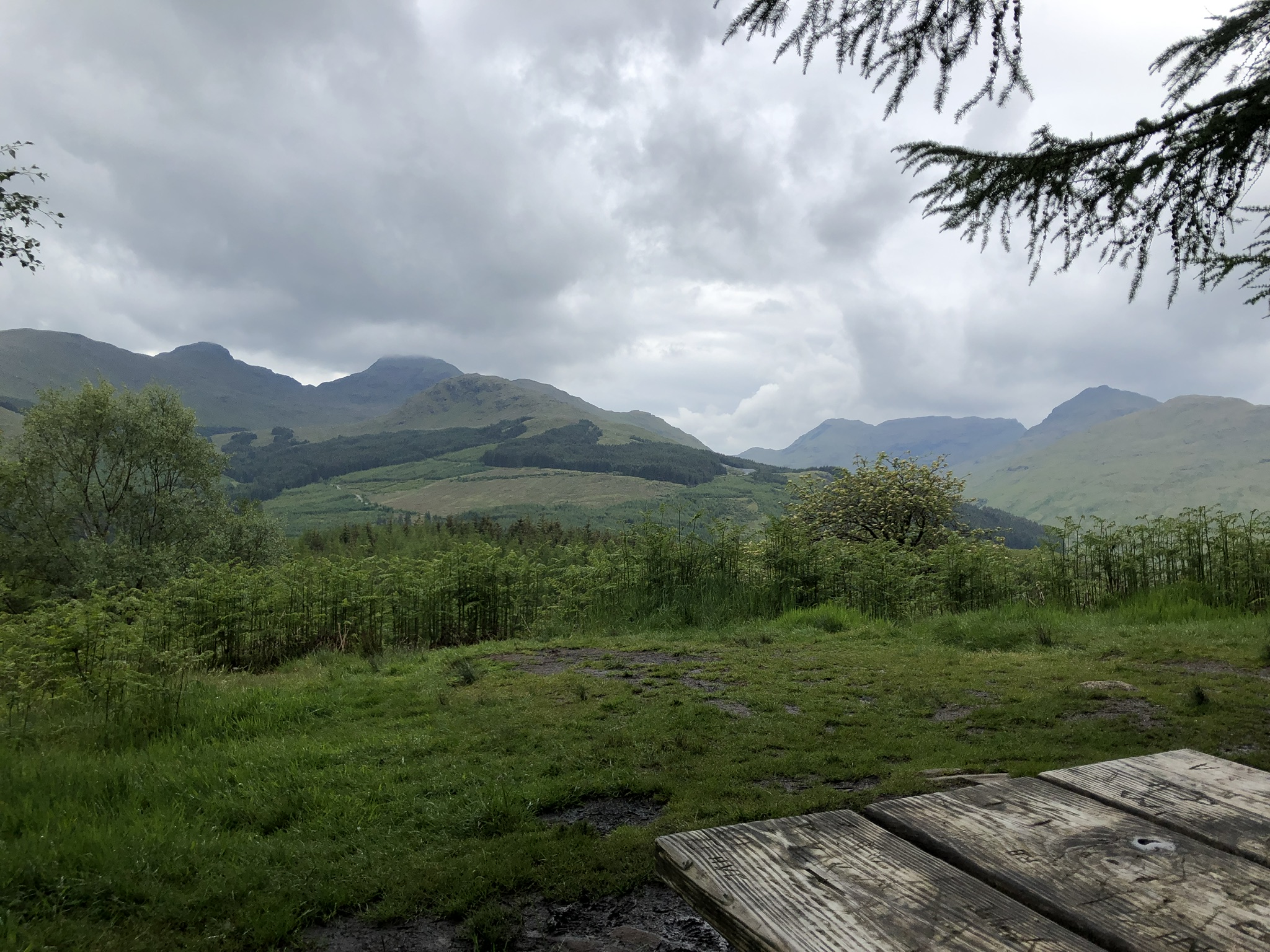
The path on the other side of the gate was completely different. It was small and steadily going uphill along the slopes of the Puy Mary. The mountain side was on the right and to the left we had an amazing view on the Vallee de l’Impradine.

It was also a slippery, muddy path, wet from being in the shadow at the northeast side of the mountain and I remember thinking I was glad we were going up since going down seemed tricky. Little did I know what we were up to later that day.
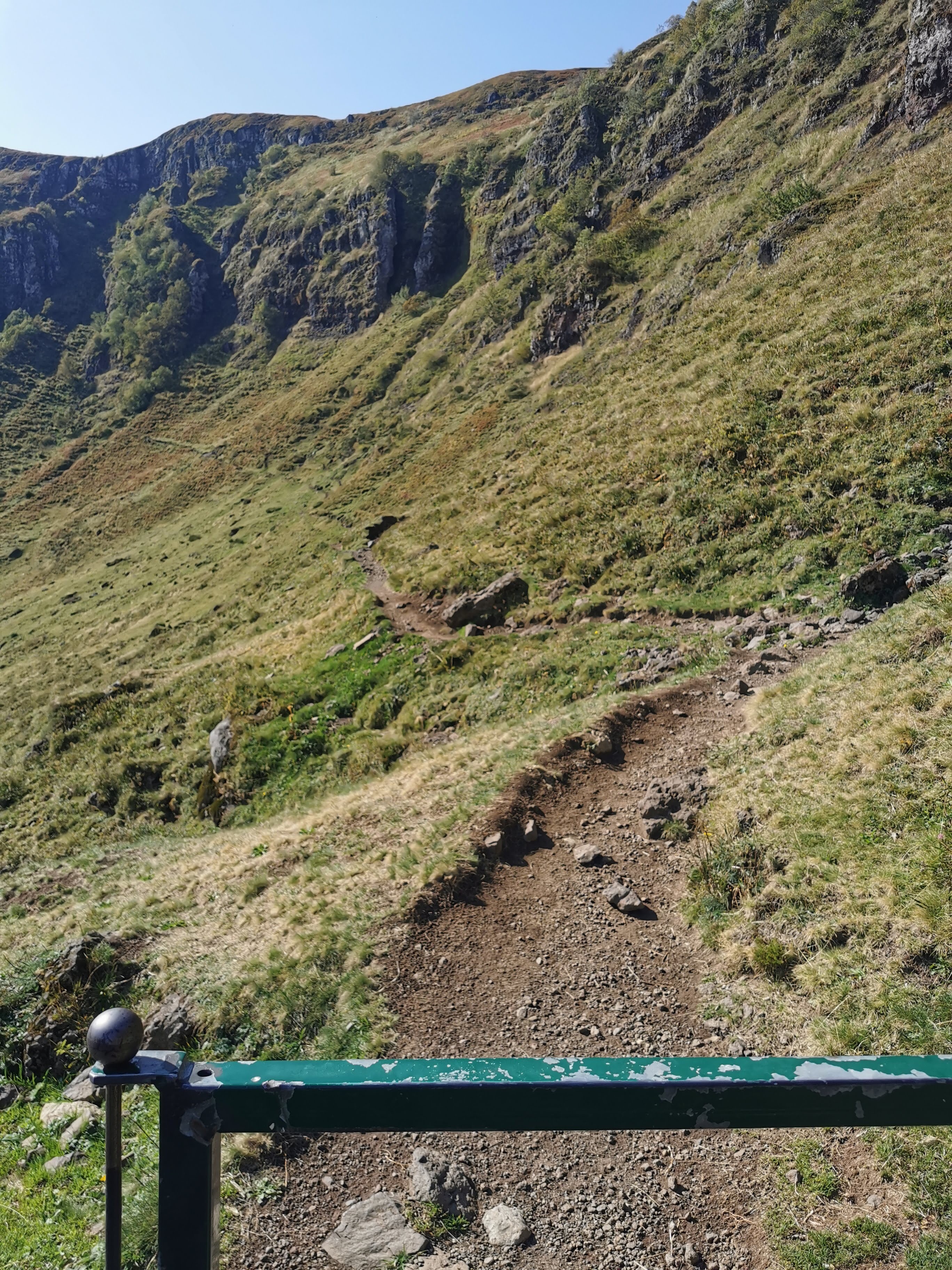
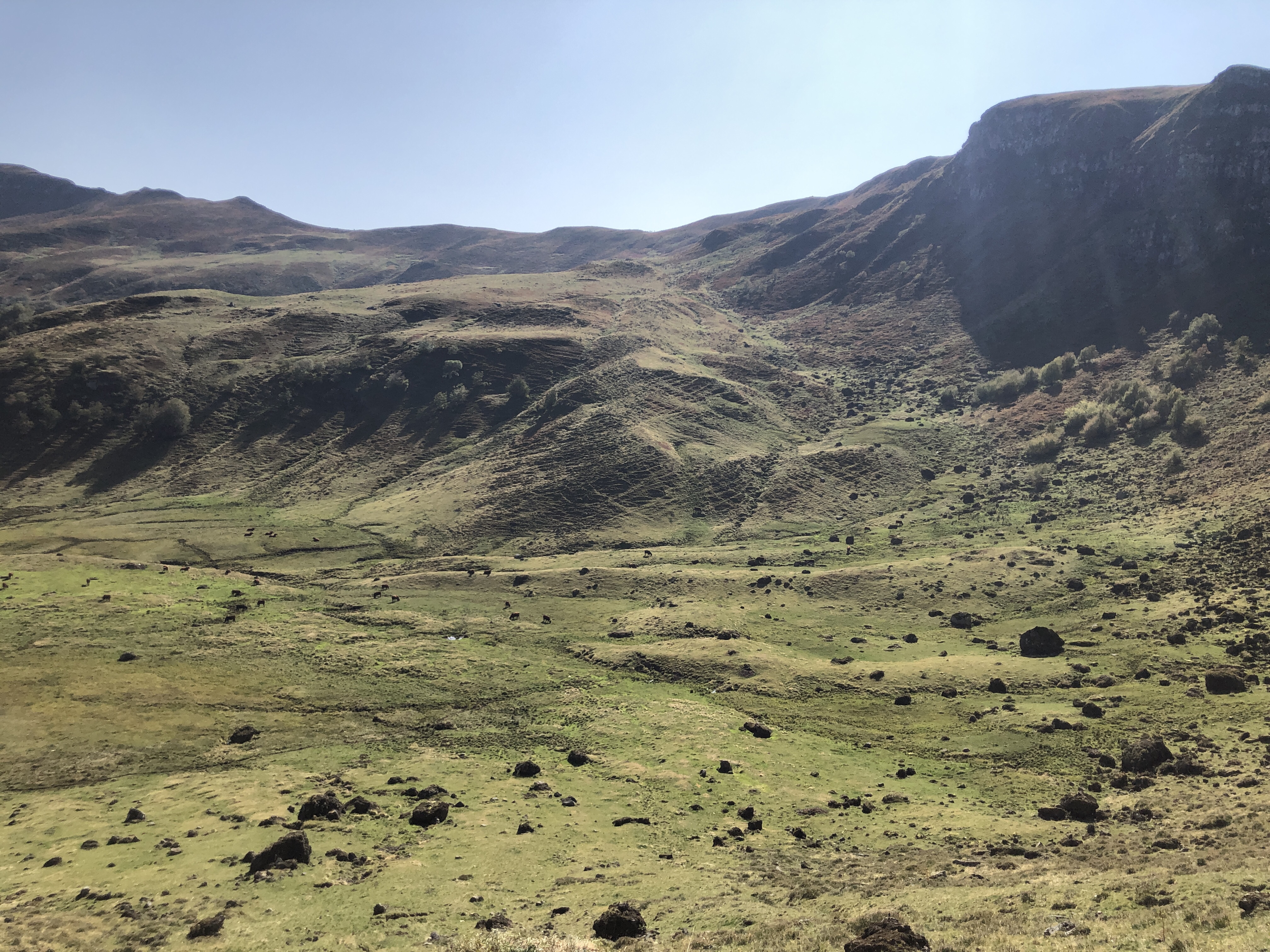
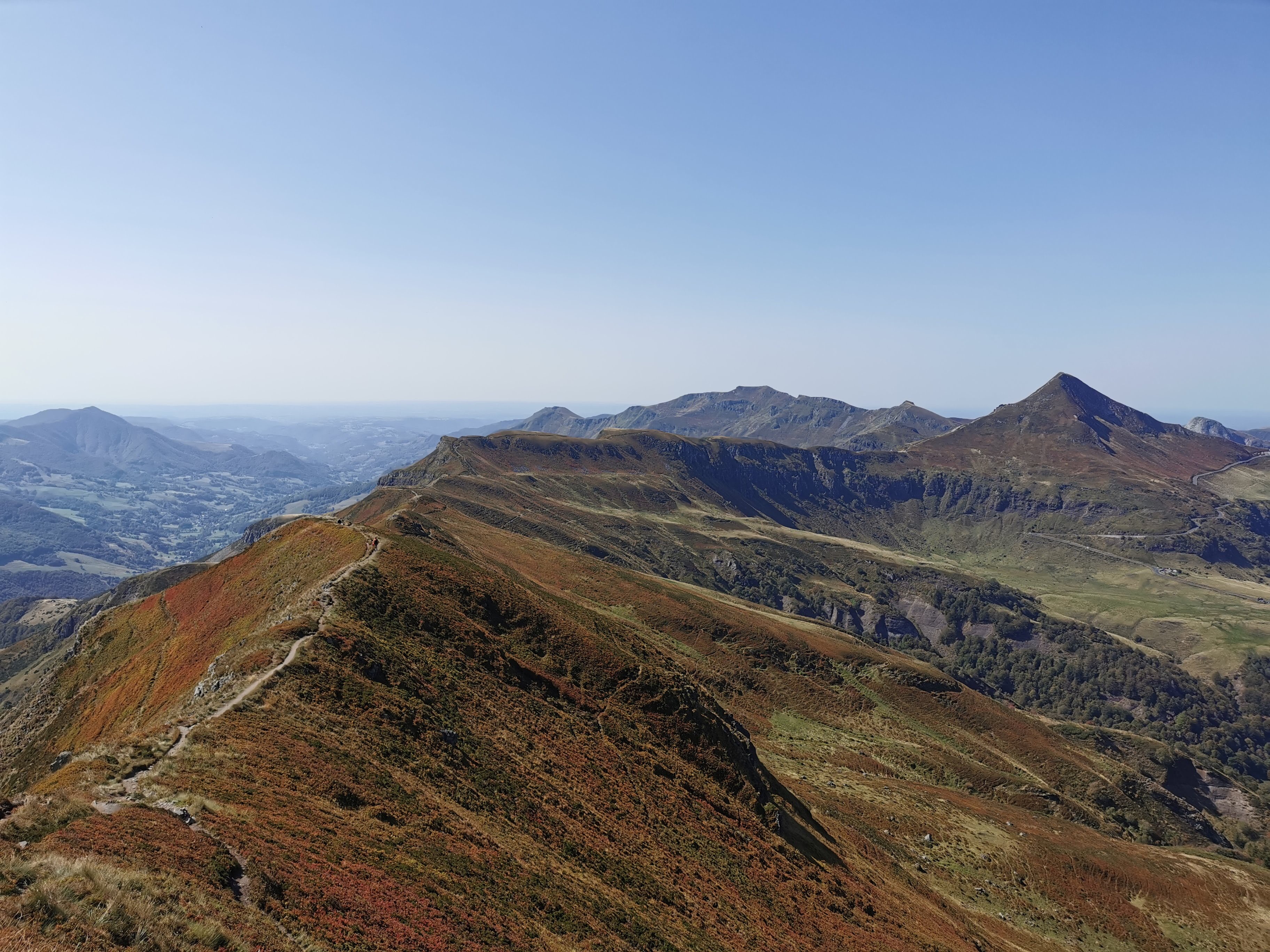
Gradually the path got wider and lead us to the ‘Brèche de Roland’ , a break between the Puy Mary (1783mtr) and the Puy de Peyre Arse (1806 mtr) at approximately 1600 mtr.

Walking over the ridge between the two mountains, with the spectacular views at the Vallee de la Jordanne on the right and the Vallee de l’Impradine on left side of it was awesome and gave an overwhelming feeling. It felt like standing on top of the world.
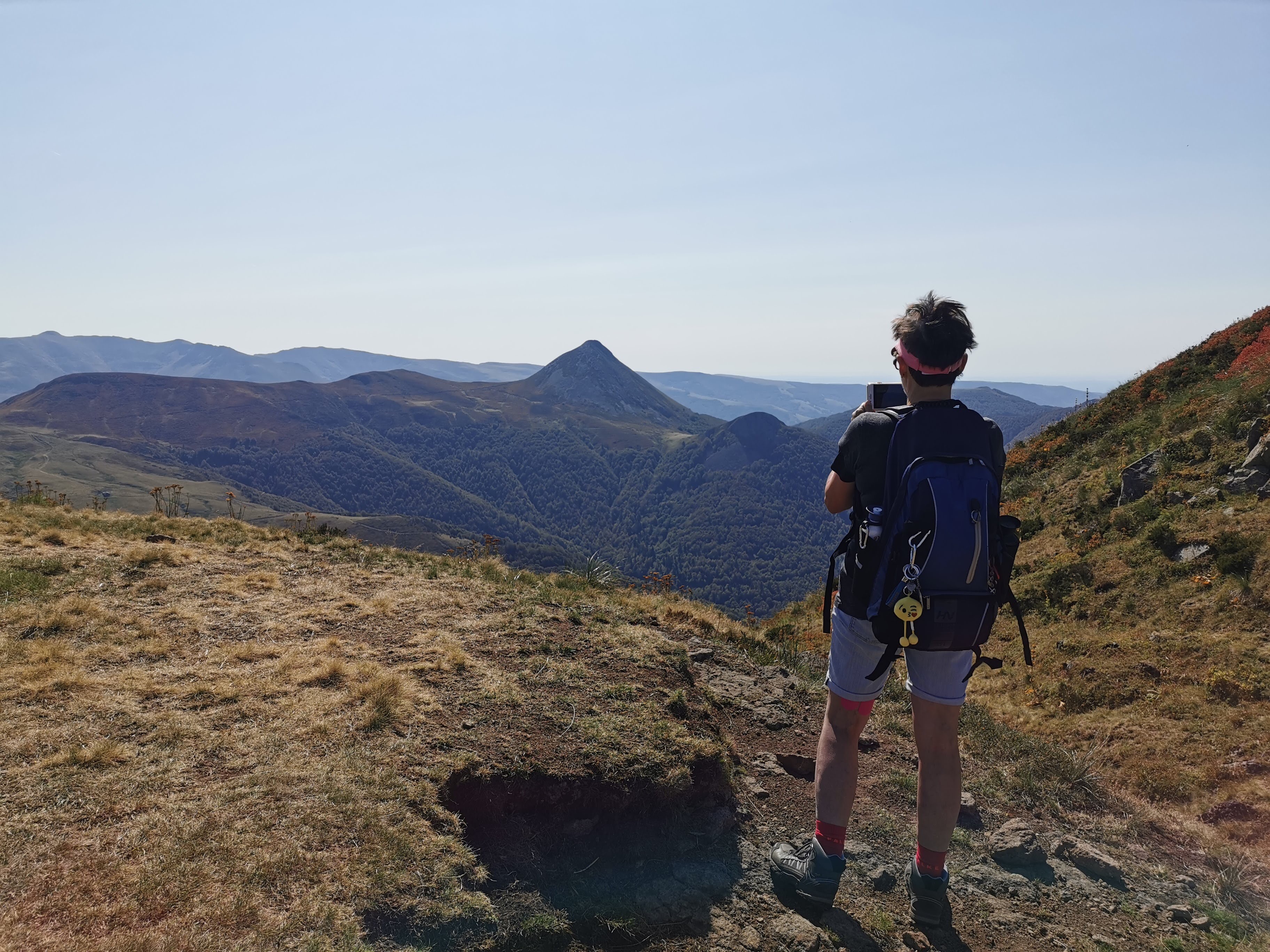
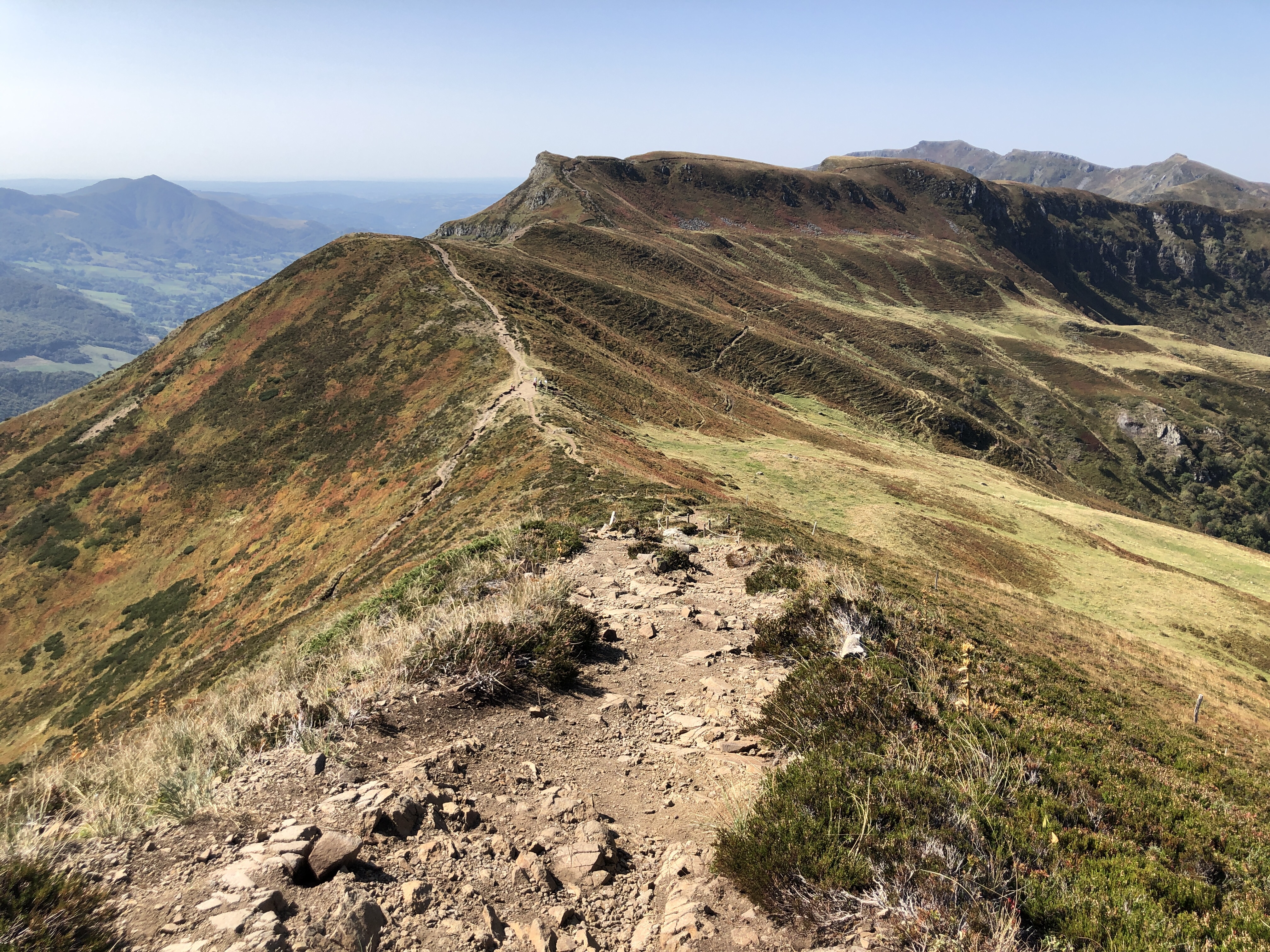
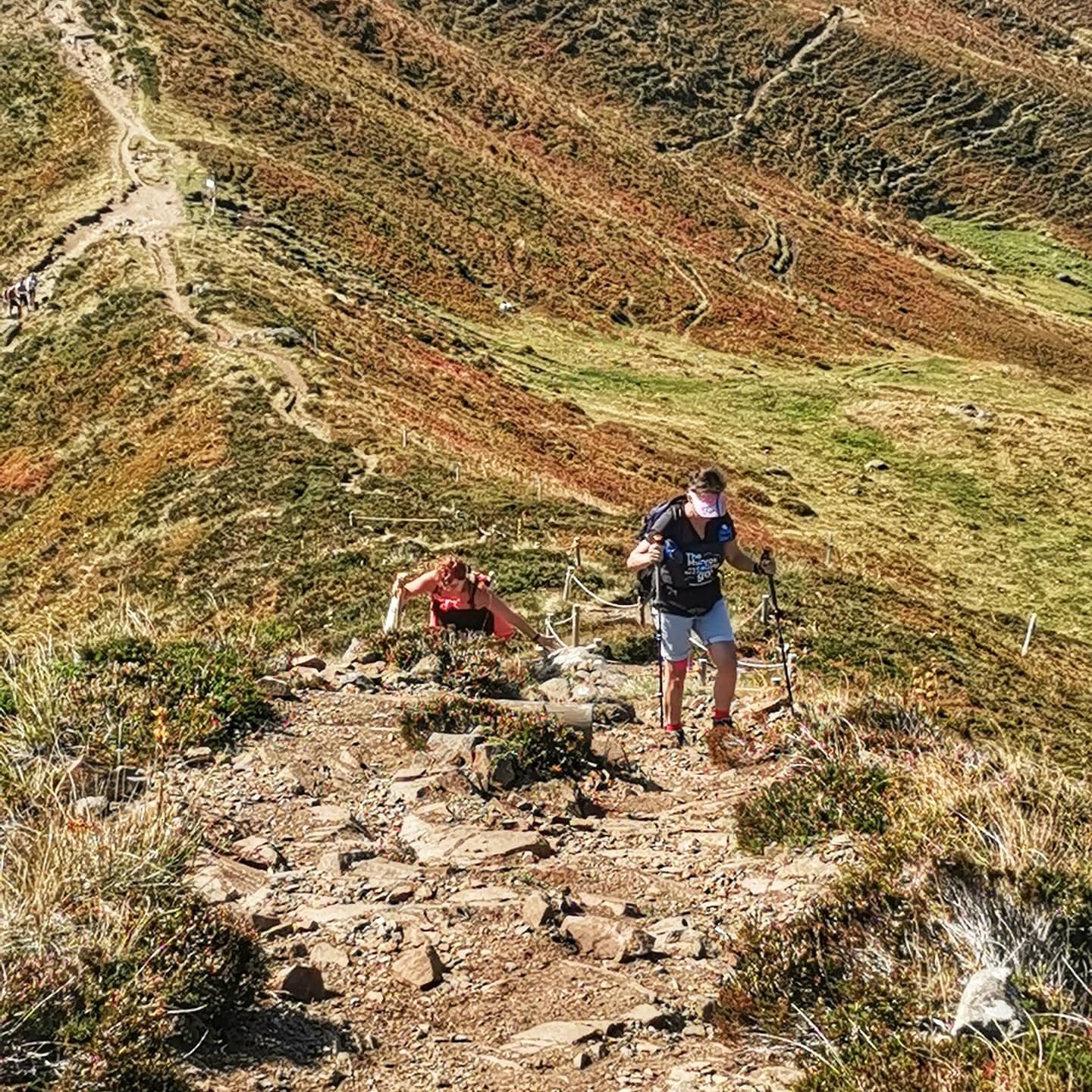
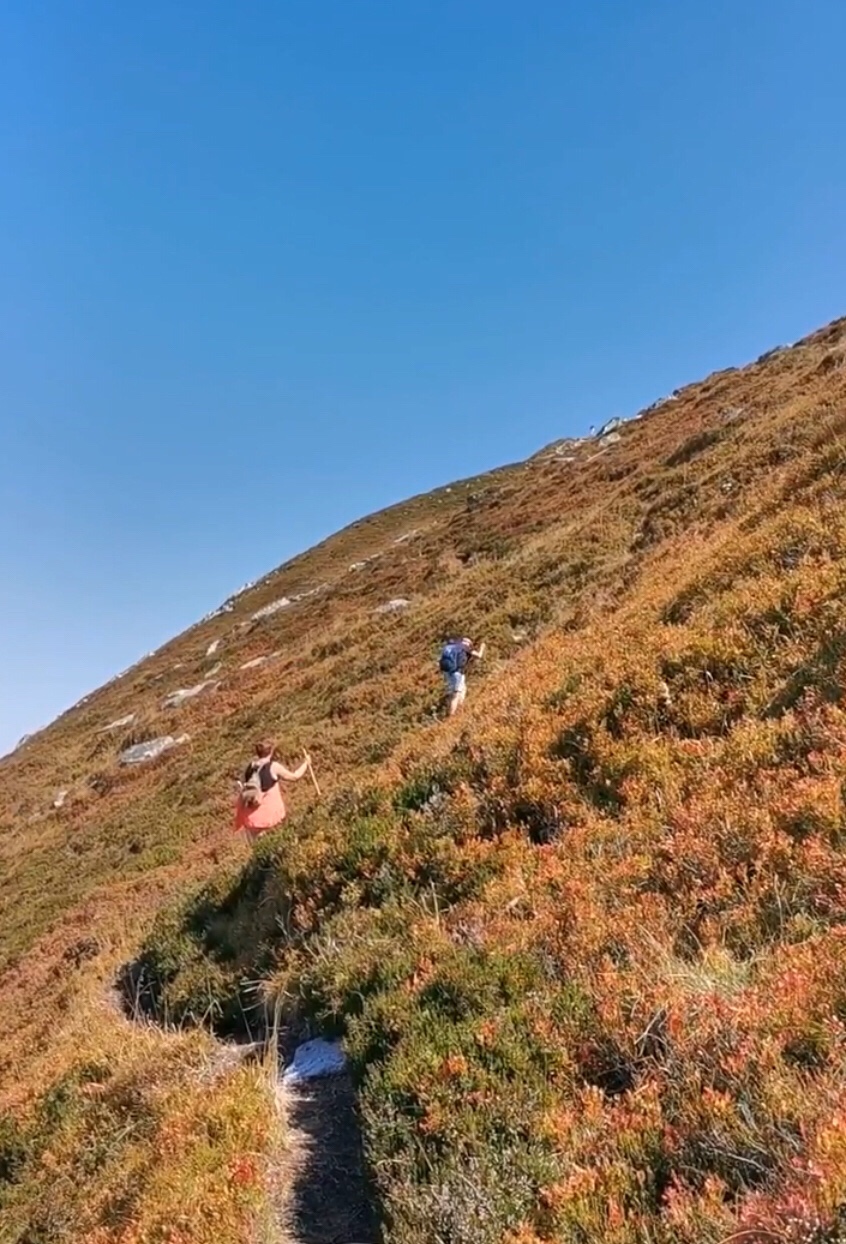
From the Brèche de Roland the Puy de Peyre Arse was right in front of us. The path towards the summit was steep, rocky, got smaller when we climbed higher and disappeared altogether when a big rock made it impossible to go further. The only way was to go back and take an almost invisible foot width ‘path’ on the west side of the mountain. It took us 1 hour to cover the 1,5 km ‘path’ from the Brèche de Roland to reach a wide spot about 10 meters under the summit.
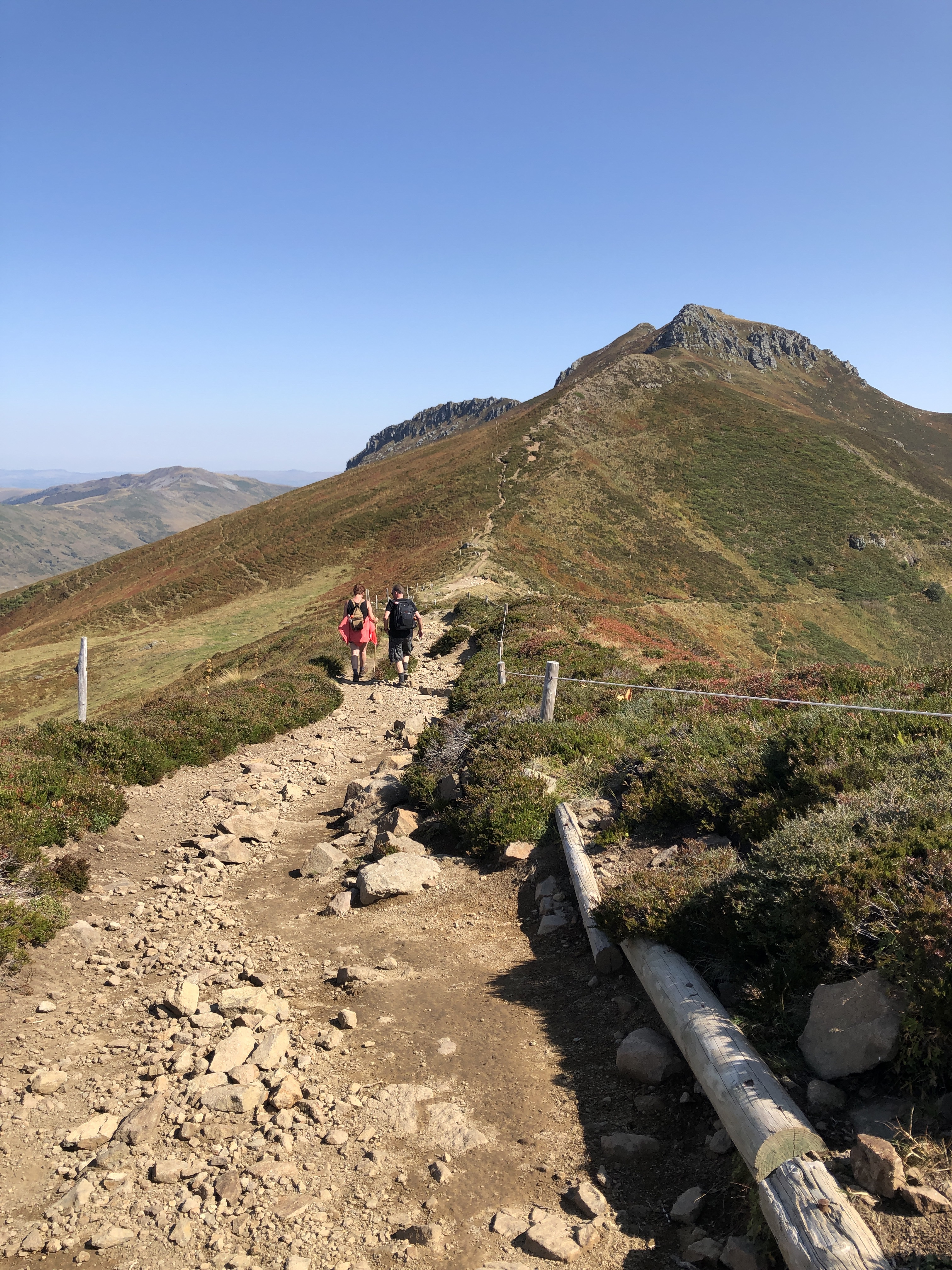
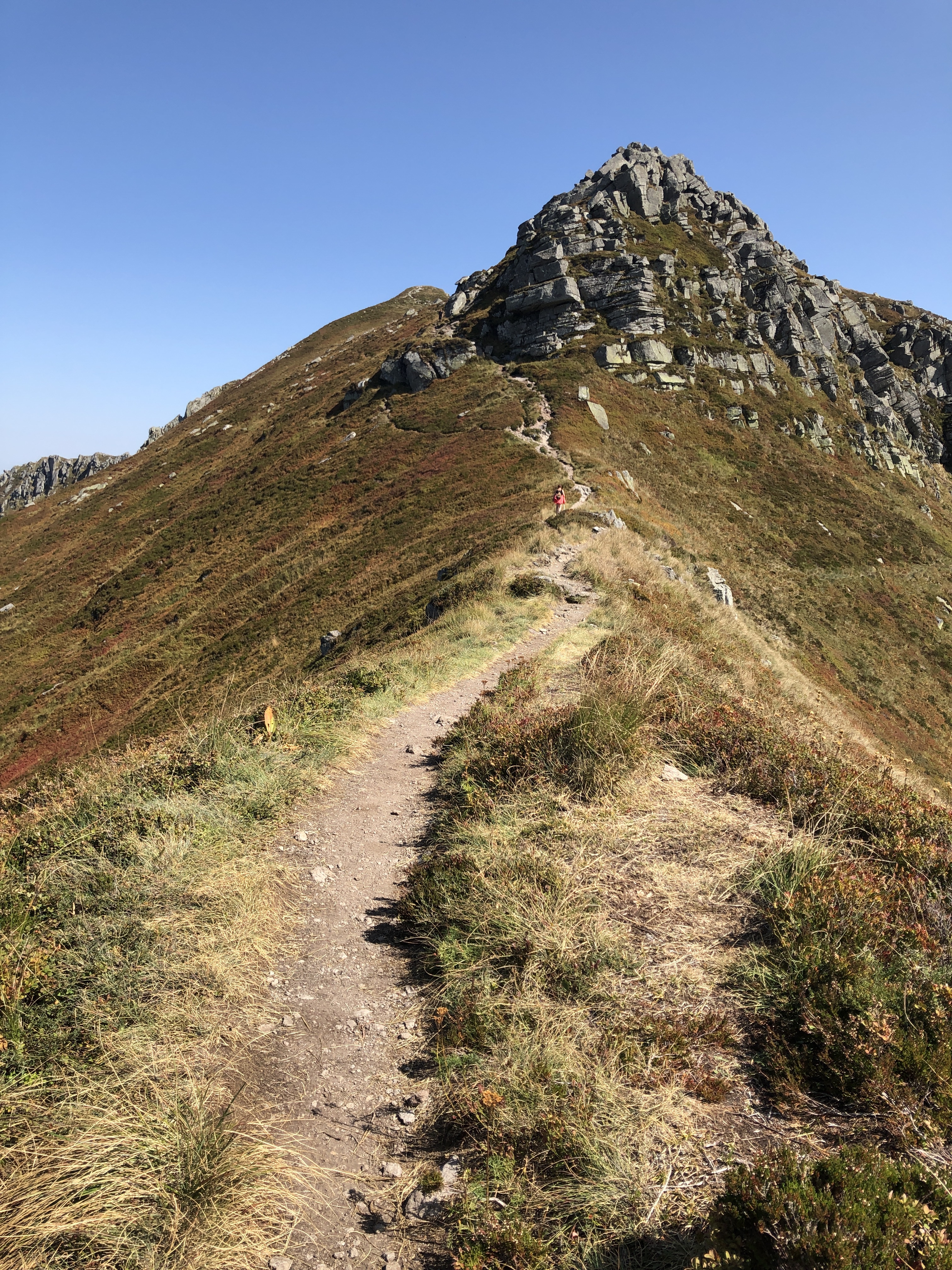
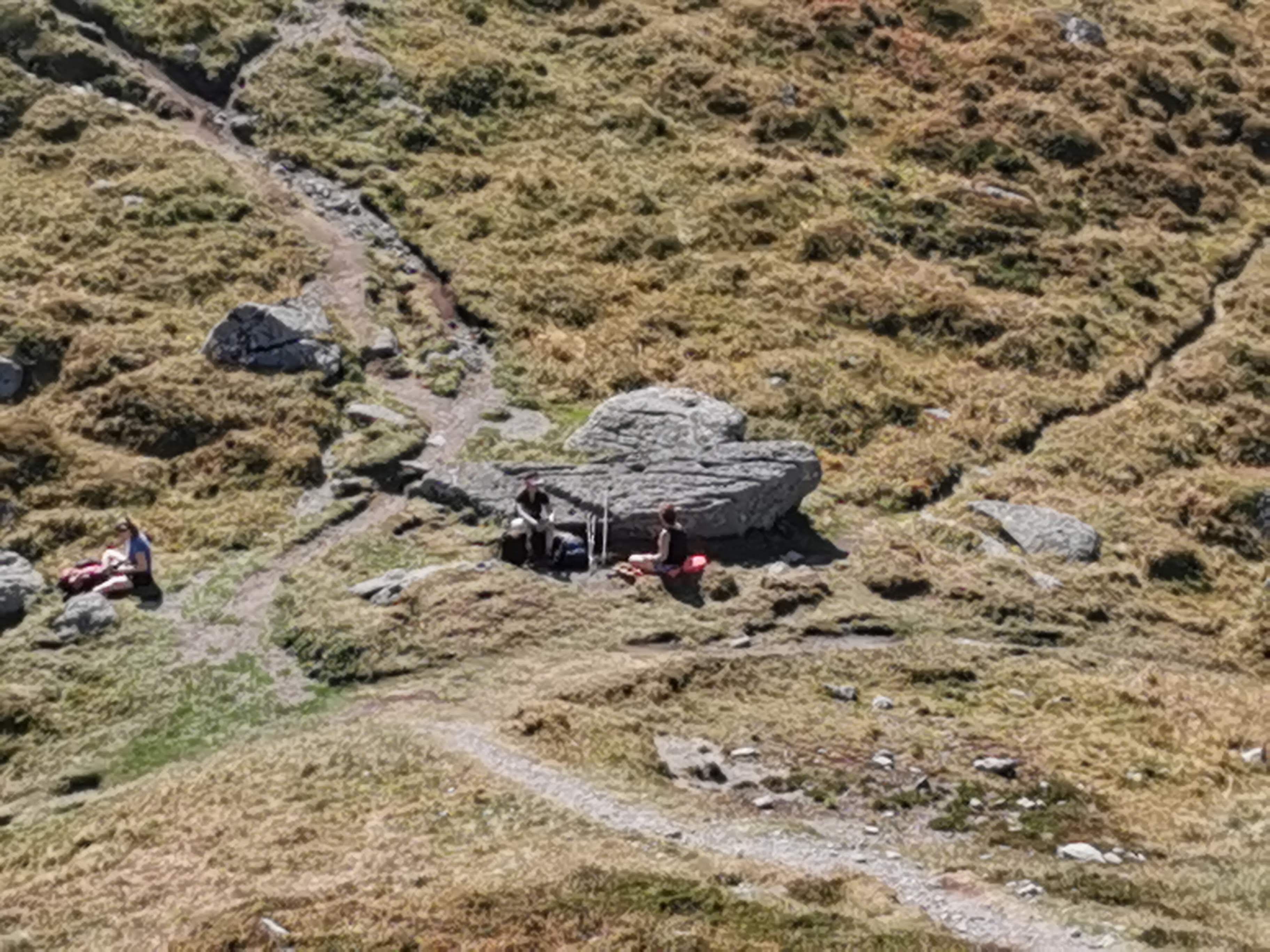
We used that place to take a break, eat a bit and enjoy the spectacular sight. Meanwhile we looked for the path at the other side of the mountain that would lead us downward to the Col de Cabre, and found out there was no path! At least not the first meters. The only way to go downhill was to let yourself slide down, holding a trekkingpole in one hand and holding on to whatever there was to hold on to with the other hand.

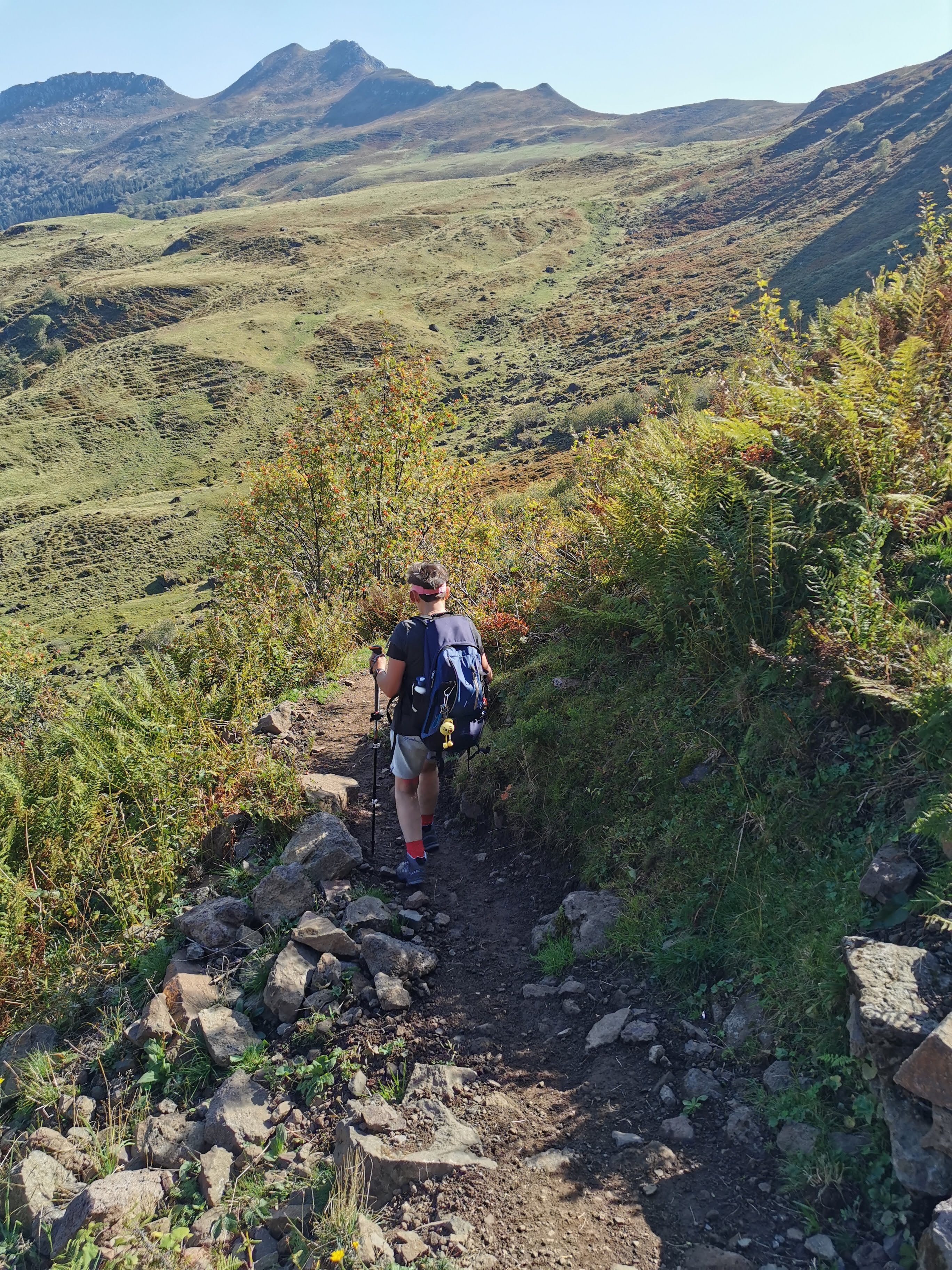
After 20 meters a small, rocky path became visible, which lead us downhill to the Col de Cabre (1528 mtr) and then to the left through the Vallee de la Santoire, which finally seemed a flat part, seen from above.
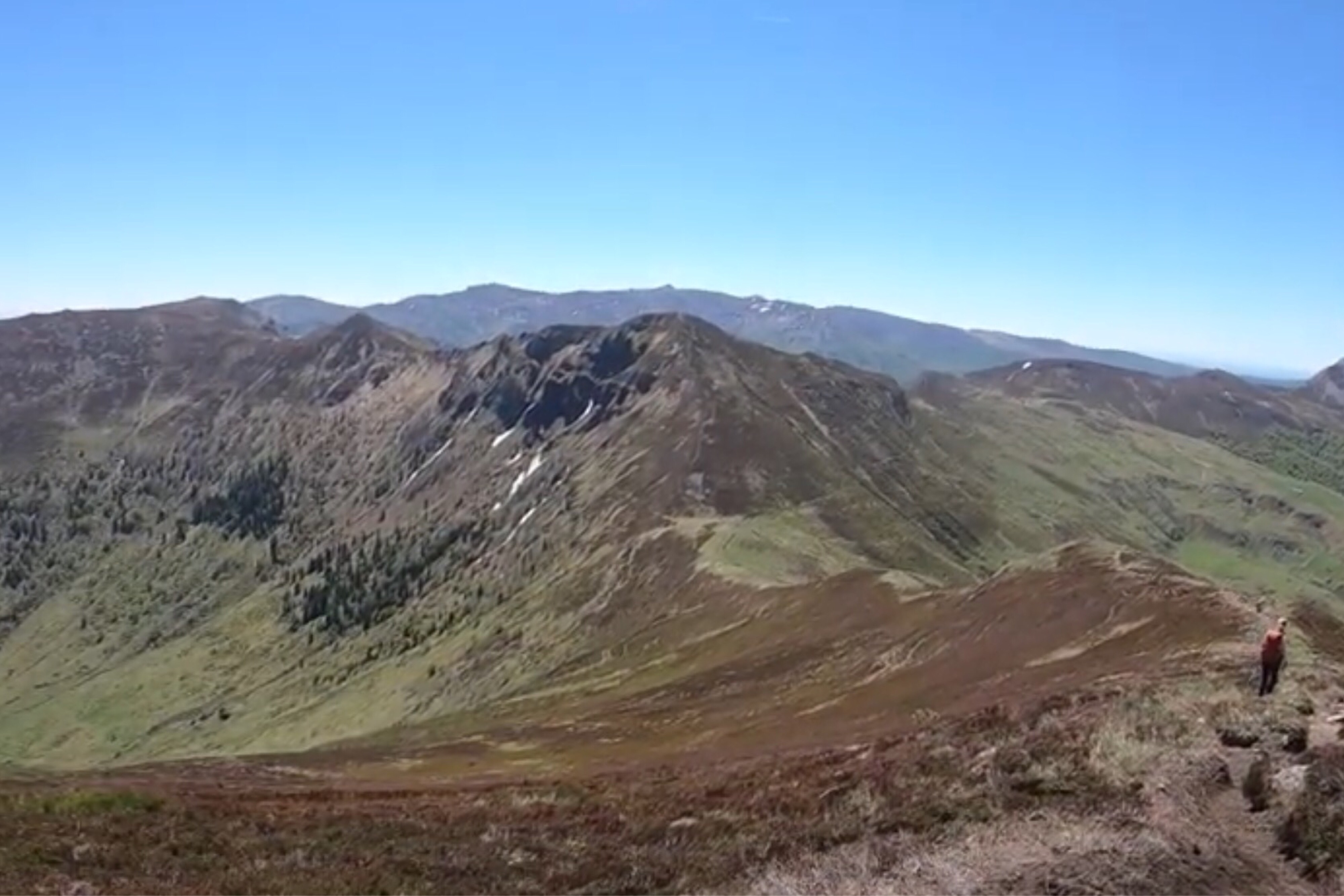
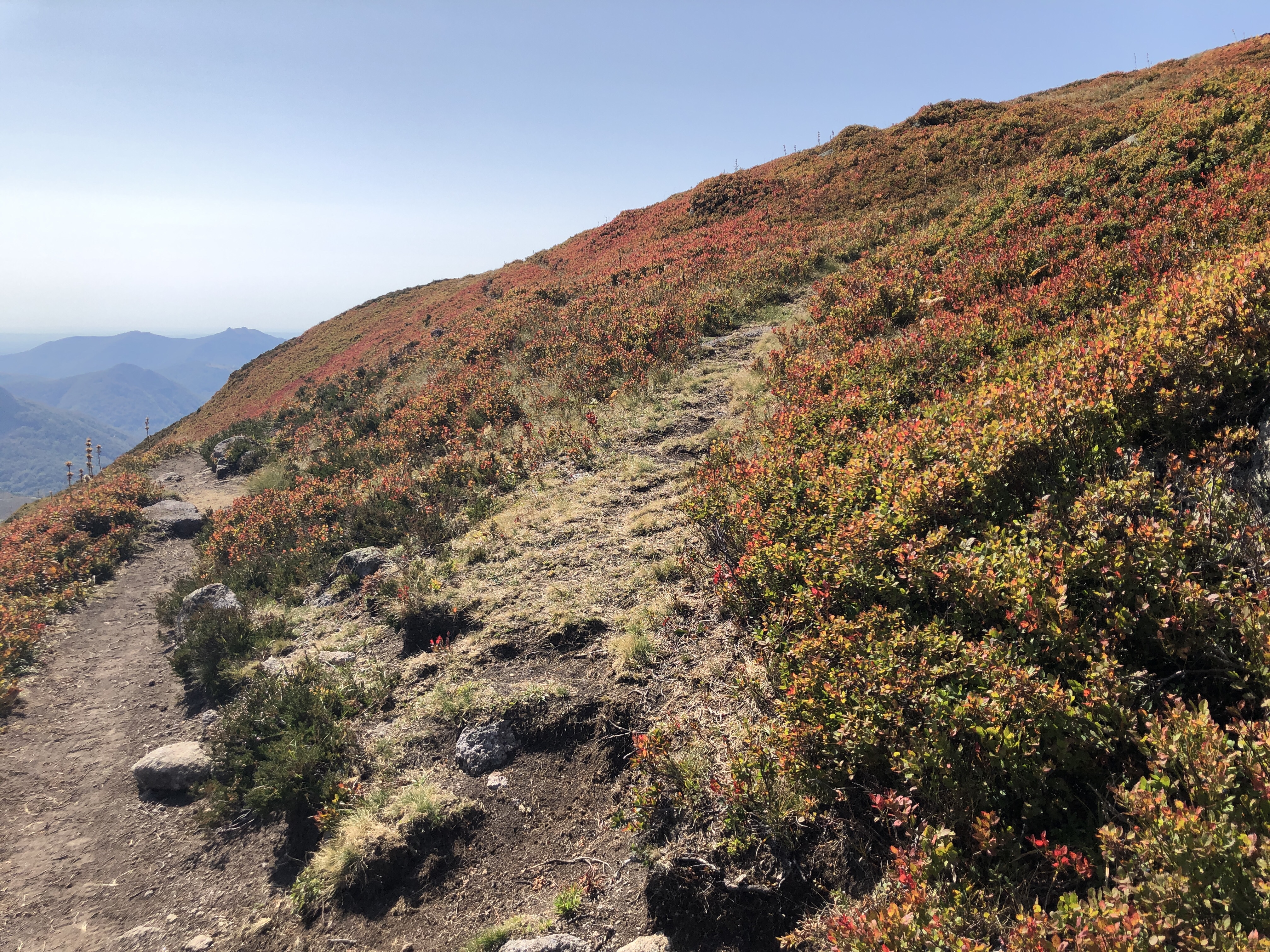
The path down reminded me of the first part of the path of the Samaria Gorge on Crete, a steep downhill path which takes 2,5 hours to cover. Big difference with the current path: on Crete there was a fence to hold on to and it was at the beginning. Here in the Cantal mountains there was no fence and this part of the trail came at the end. It was a constant struggle to stay upright, to find the best part to put your feet and avoid slipping away.

Seen from above I thought it would get easier once we had arrived at the Col de Cabre and go left through the valley, but boy was I wrong! It only got harder. If you think going uphill is hard, try going downhill in 45° angle when you’re tired and your legs burn and scream for a rest and it seems like to go on forever ….
Two hours (and 4 km) after we left the summit of the Puy de Peyre Arse we arrived at a very small village, La Gravière. From there it was only 4 km back to the car, but it was late afternoon and we were tired. We also knew that it would take at least 1 1/2 hour to walk the 4 km to the car. We decided to try to get a taxi back to the Col de Serre. Luckily a few locals (somehow I think it was the mayor) were sitting chatting on a bench in the town square. You should have seen their faces when I asked (hurray for french classes in highschool) where we could call for a taxi. A taxi??!! Non non, not available in this part of the region, and letting one come from a larger place would be way too expensive. But, these friendly people came with another solution: one of the inhabitants had a squad and could bring one of us to the car on the Col de Serre who could then return to pick up the others. Guess who was the lucky one to drive with the man? Yup, since I was the only one who speaks french, I would go with him. Luckily the squad was not the four wheel thing where you sit behind the driver, but a mini-pickup. That being said, the whole route to the Col de Serre was uphill and the small vehicle was groaning and puffing and it even smelled like something was burning. But…. we got safely to our car and I returned to the village to pick up the others.

In hindsight the trail was too much for us and we should have chosen a less difficult one. But although we may not have finished the whole trail (better safe than sorry) we did what we did. It doesn’t come close to what Cheryl Strayed achieved with her journey on the PCT, but it was an amazing adventure. And more important, this hike helped me the way her journey helped her: this difficult trail let me focus so intense on what I was doing that I forgot the worries and troubles. I slowly started to find myself back again and this hike was the beginning ……
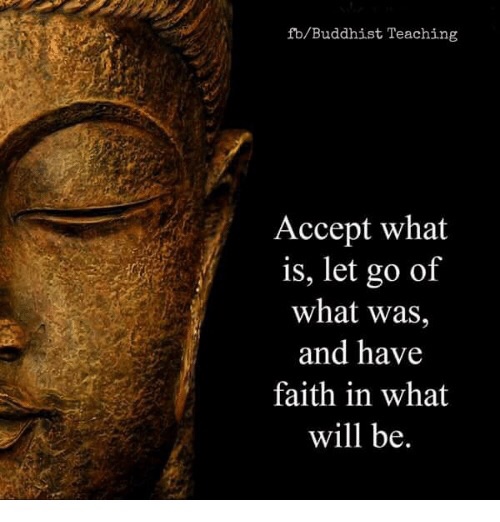
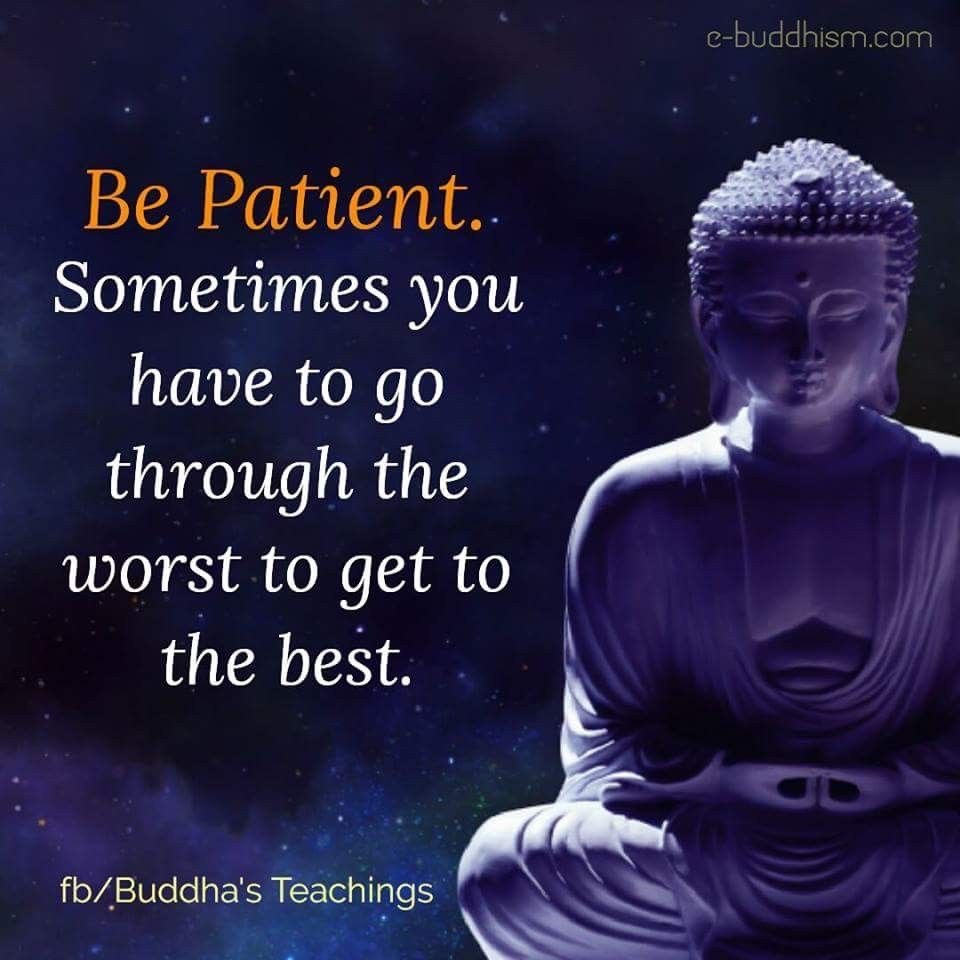
Accept what is ……

Photo: Google

It’s July, the year 2020 is halfway through, which seems a good time to look back upon the first half.

If ever I had expectations before it started it definitely turned out completely different, but with Covid-19 to deal with, that goes for all of us. However, I could never ever have imagined it would get worse than that.

What do you do as a parent when a child completely loses grip on the world and life? What do you do when trust is broken and the consequences of actions are so desastrous and violent that you only wish for your child to leave and never come back? That you even take actions that no parent ever wants to take, but that are the only solution to the problem?

Well, I know the answer now, but I can only speak for myself, because it’s the hardest thing I ever did in my life and I know not everyone can do it. The only way to justify it was to keep telling myself that I didn’t do it to punish. It was done out of love and protection. Because there are more people in this family, people who need a good place to live, a safe place. But most of all it was done to help.

When bad things happen people often ask themself why it happens to them, what did they do wrong? Why can’t they have a normal life, like everyone else? I was no exception to that rule. I never experienced the amount of mixed emotions on a daily basis like I did these past months. Anger and grief caused sleepless nights and exhausting days. Many times I wished I never had had children at all and couldn’t care less if I never saw my child again. But then memories popped up, of vacations, holidays and birthdayparties, of the moments that make a mother’s heart swell with joy and pride. Those memories left me in tears, desperately wishing I could turn back time and make this all go away, which, of course, is impossible. What’s done is done, you have to deal with it.

And then that same child needs your help, despite everything that happened and went wrong. And what do you do then? Do you let recent events set the course, or do you see the child as it used to be. The child you know, is still somewhere inside. The child you nursed and loved and helped through so many difficult moments in life.

Well, you open the door, set rules, make agreements and you take it back into your home, because, like author Diana Gabaldon once wrote: “Home is where they have to take you in”.

That decision wasn’t easy, oh no! My attitude was far from loving and caring, and when setbacks occurred I almost kicked my child out, again! But that last setback, that last horrible day seems to have been a turning point. For the first time in months there was honest talk, honest regret and insight that something needed to be done to turn this awfull situation into a positive outcome.

And steps were taken. Medication, therapy, rules, talking and (even more) listening! There is lots of talking and listening, and mostly I’m involved. The timing of talking is not always convenient, and it’s often a challenge to sit down calmly and listen, but I know how important it is. For both of us, yes for both. It’s important for the proces of healing and restoring faith. Faith that we will get through this together. Faith that it will turn out for the better.

Now, a few weeks later and after hitting rockbottom, it feels like we are slowly climbing up to the light, one small step forward at a time (and sometimes a step back) but up. Every good day is a good day added to the list of good days. We’re not there yet and it will still take a lot of time and patience, but there is hope that in the end we are able to say that this very bad time eventually turned out to a good outcome.

Photo: Google

Que Sera Sera

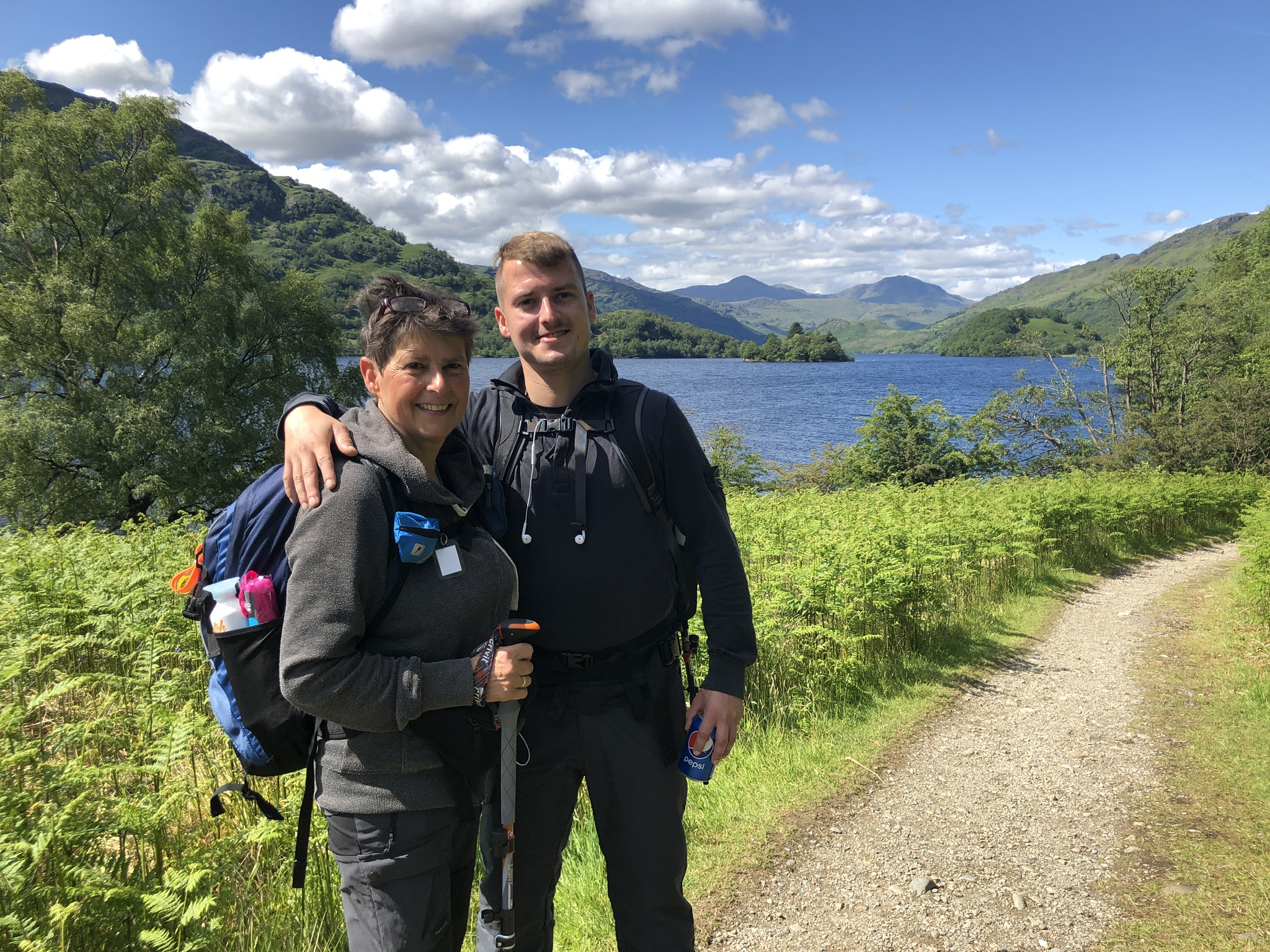
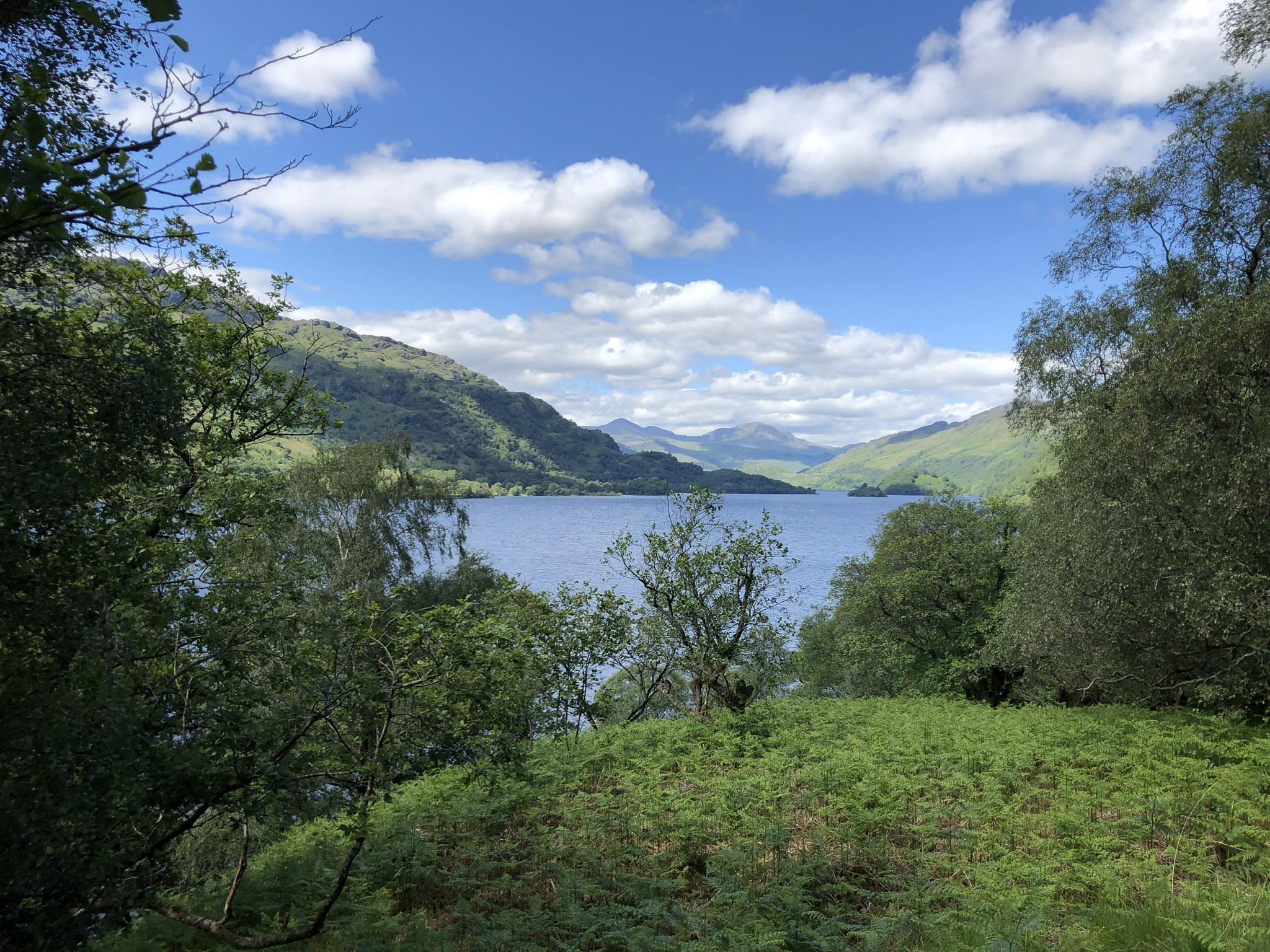
This time 3 weeks ago I was on the eve of a long awaited and highly anticipated journey, walking the West Highland Way with my oldest son. Sadly it didn’t go as planned. I had to stop after walking 4 days and 96 km due to painful knee issues. It was a tough decision, and my son and I were both very disappointed. Since all our accomodations were booked we decided to stay in Scotland and make the best of our time while being there.

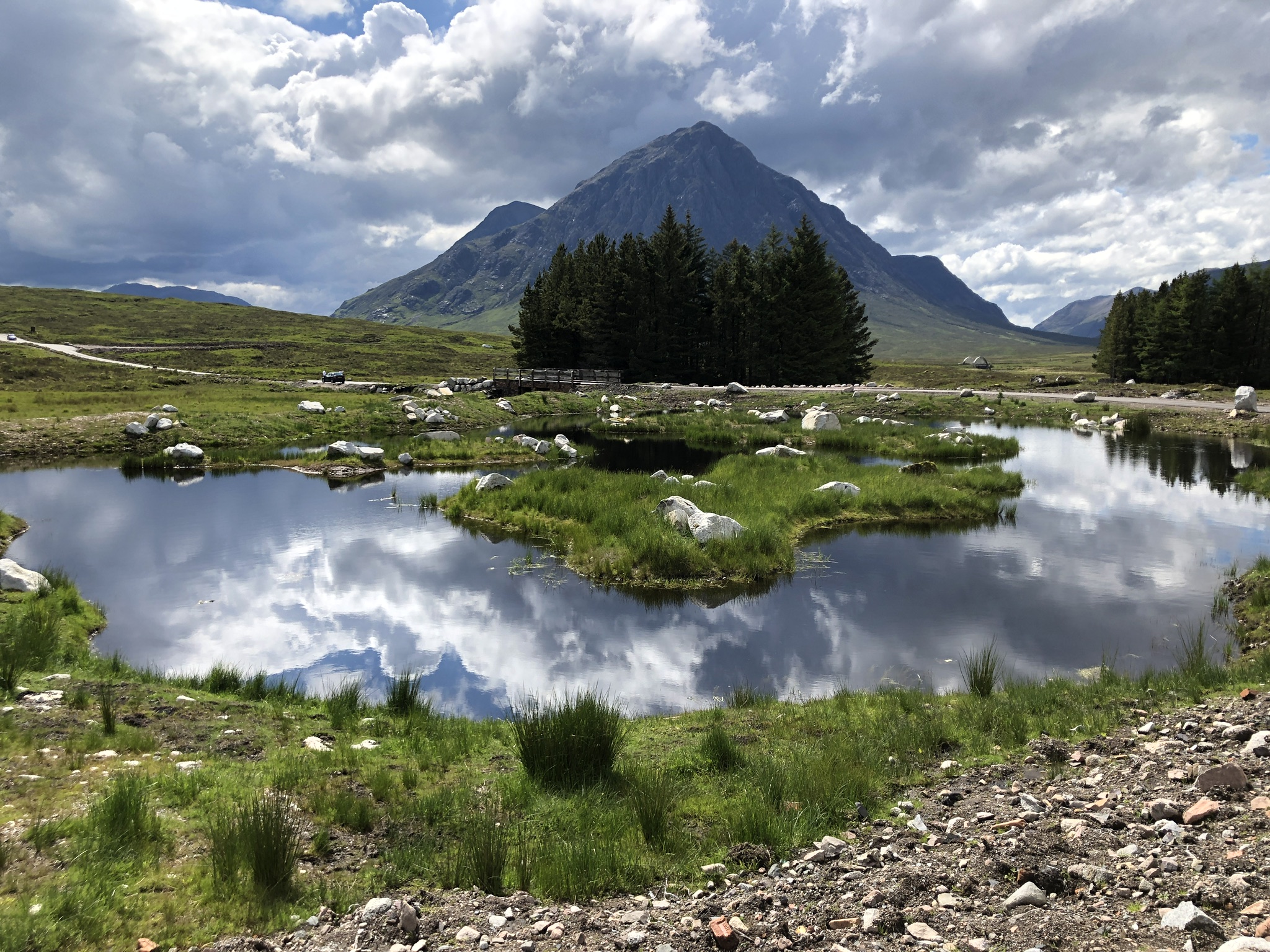
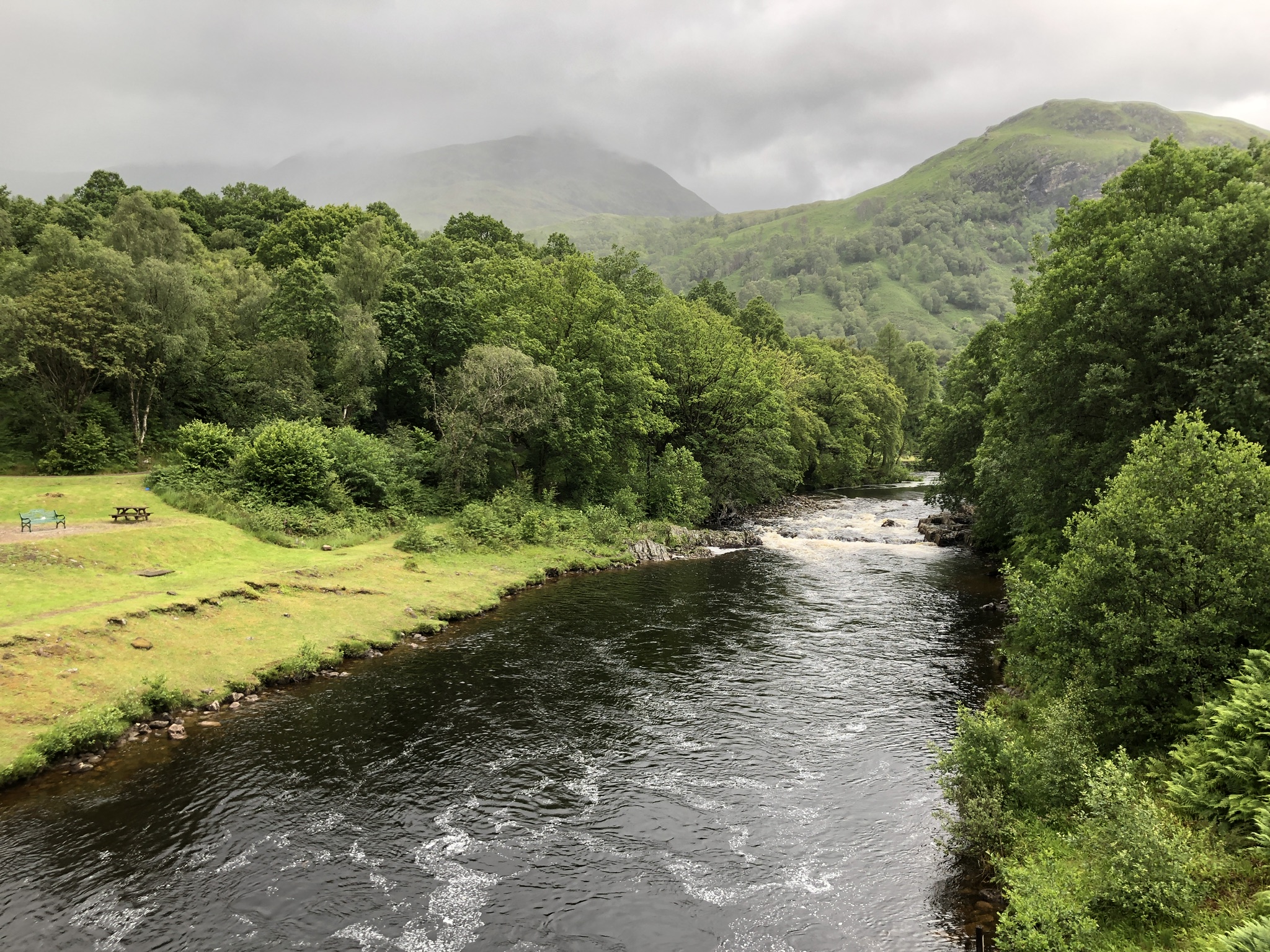
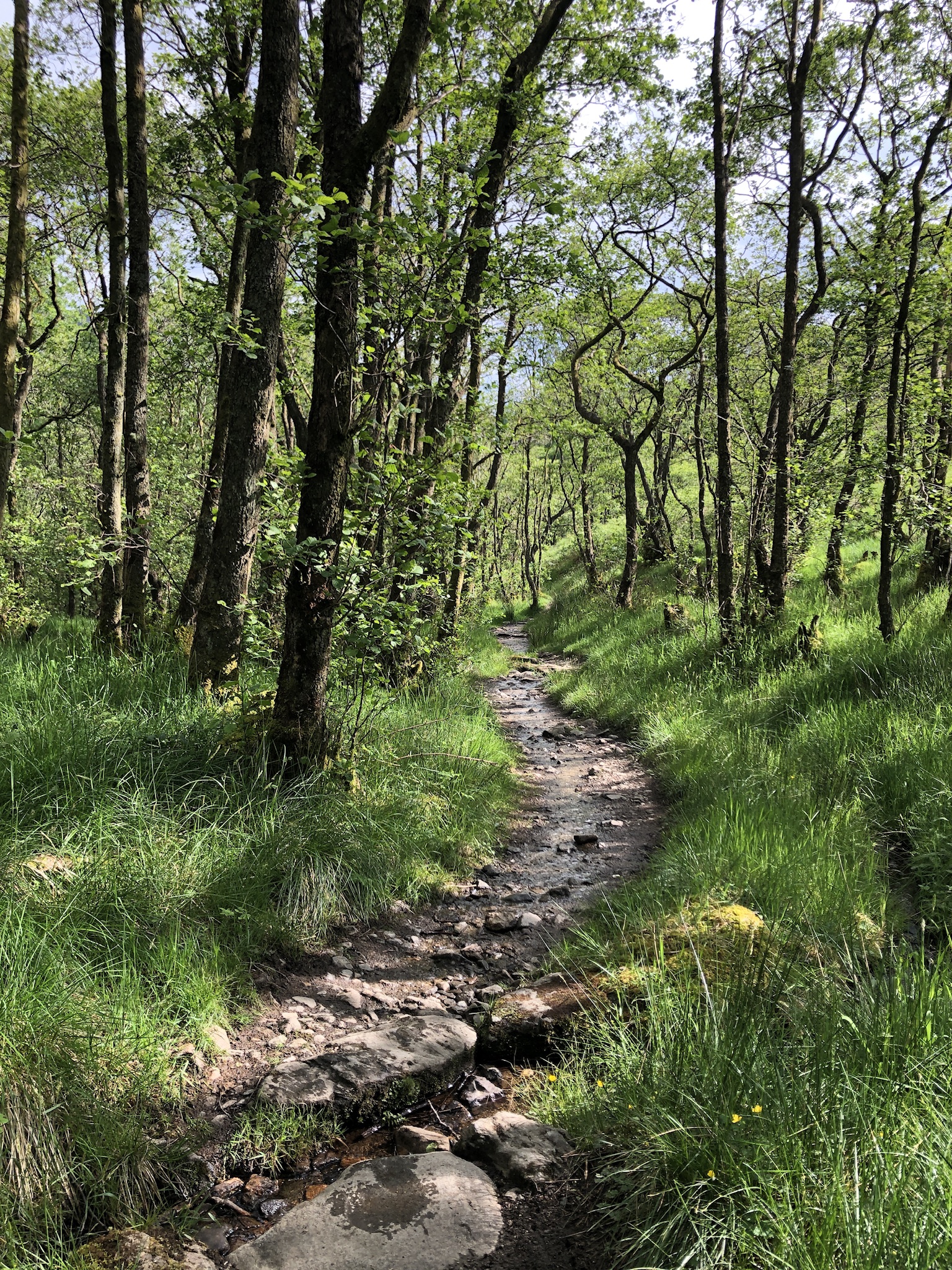
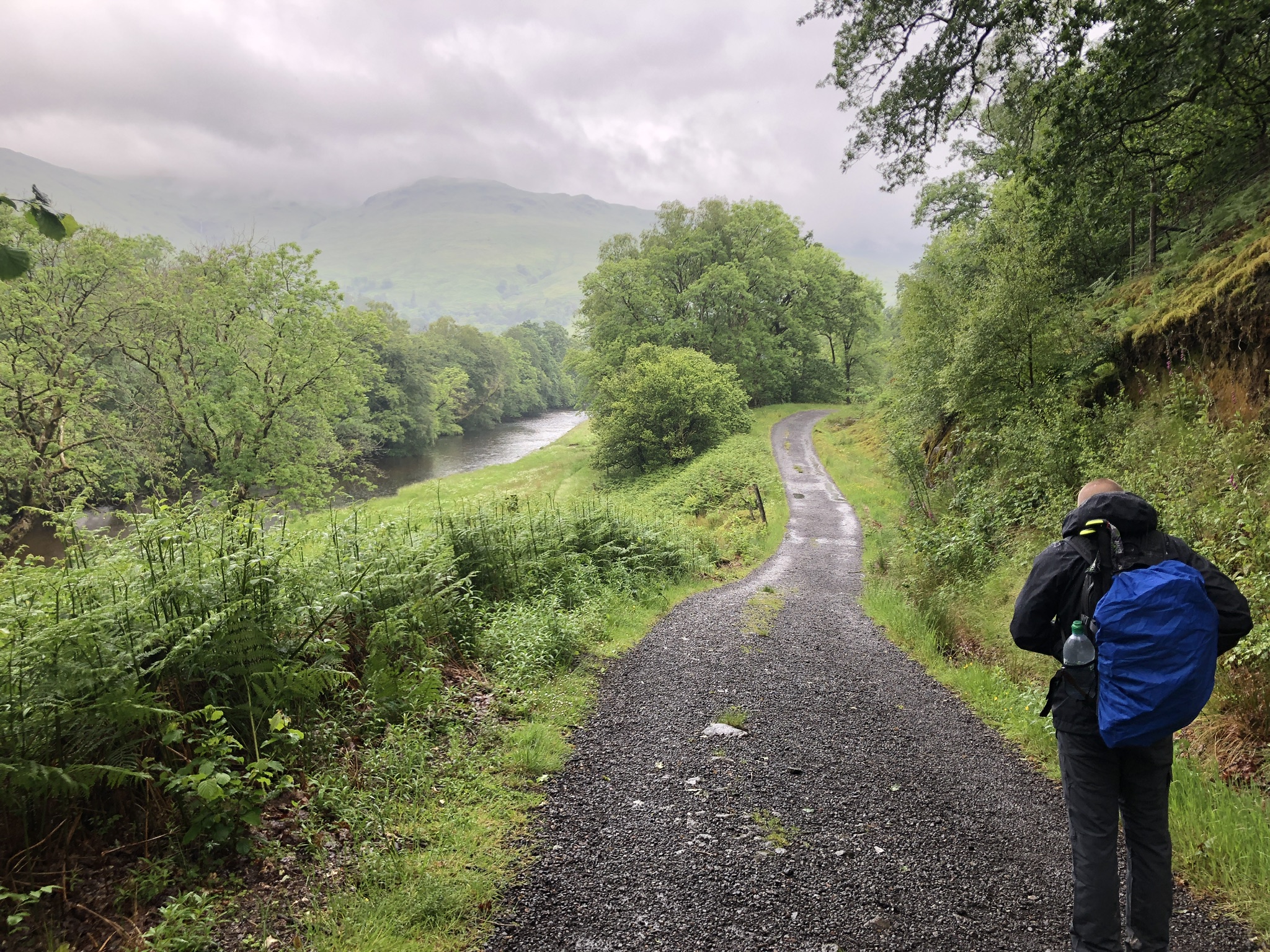
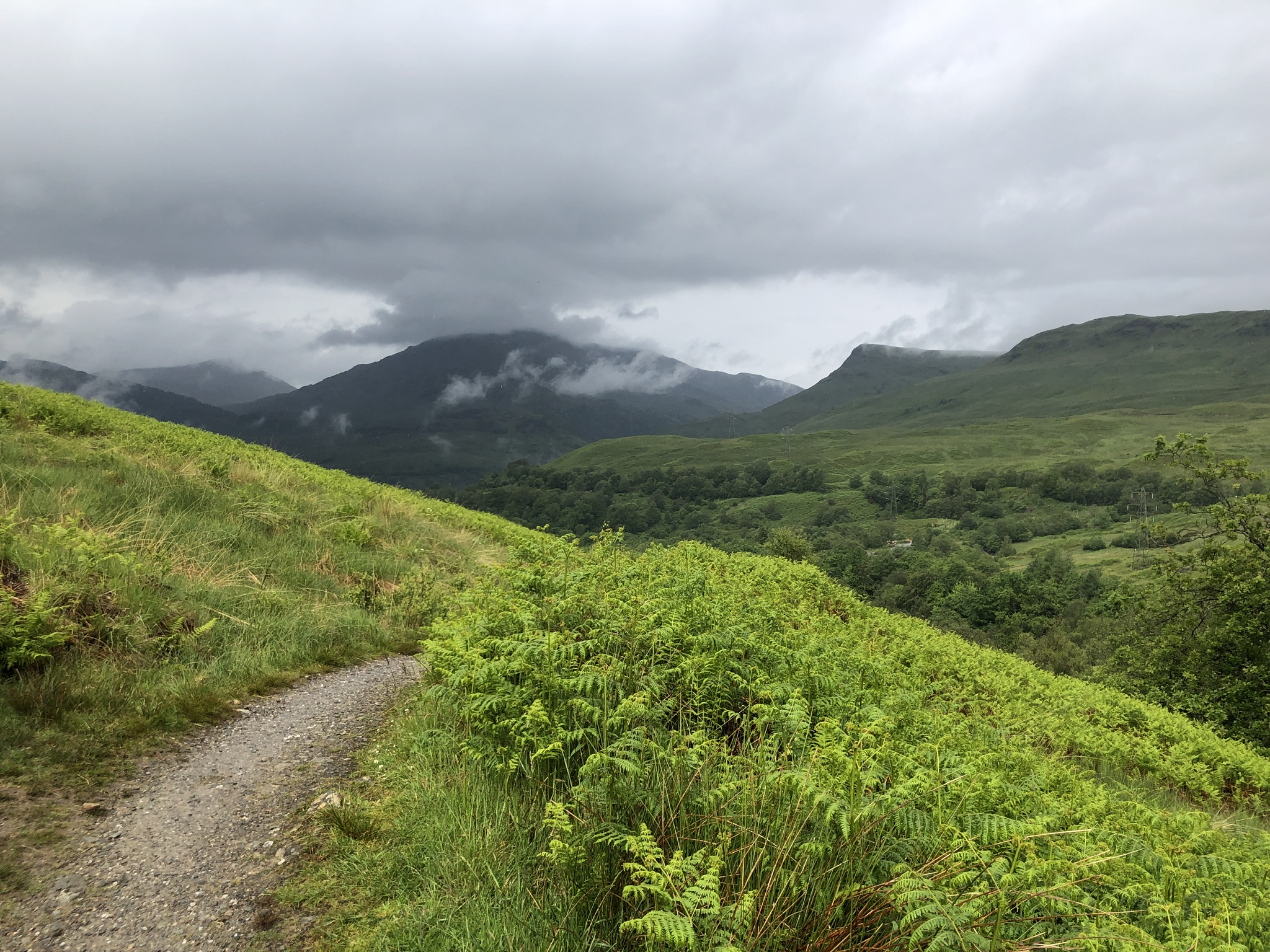
It took some time to get over the disappointment and appreciate what we did accomplish. We walked 96 km, mostly on tough terrain, often wondering if we had missed a sign because there seemed to be no path at all. (Well, we actually did miss a sign on the last day, but that was due to bad weather.) We saw amazing vistas, and I’m so very happy I took the time to take pictures, even when pain was dominating the fourth day. They will make a great photobook. We met nice people, had nice chats and enjoyed tasty food. And although it was raining a lot after we officially ended our walk, we were able to explore the surroundings where our accomodations were on short walks. After all Scotland’s beauty is everywhere.

And who knows, maybe the way this journey ended was a sign. A sign to show me I hadn’t be true to myself. That I was focussed too much on the goal instead of the journey from the beginning, despite everything I had said about it. I joined My Peak Challenge in 2017 mainly because of the charity part and setting goals or challenges were not my thing, like I wrote in a previous blog.  And yet I let myself get tempted to set a challenge, because when I’m really honest to myself, that is what this was, a challenge. I should have known better and stayed closer to myself, to who I am: someone who takes life and its events as it comes. Life itself offers enough challenges without me adding an extra one.

So here I am, I managed to walk halfway the West Highland Way, from Milngavie to Tyndrum creating beautiful memories along that path, no one can take that away! And who knows, maybe I can walk the remaining kilometers next year. If not, well, so be it. Que sera sera!

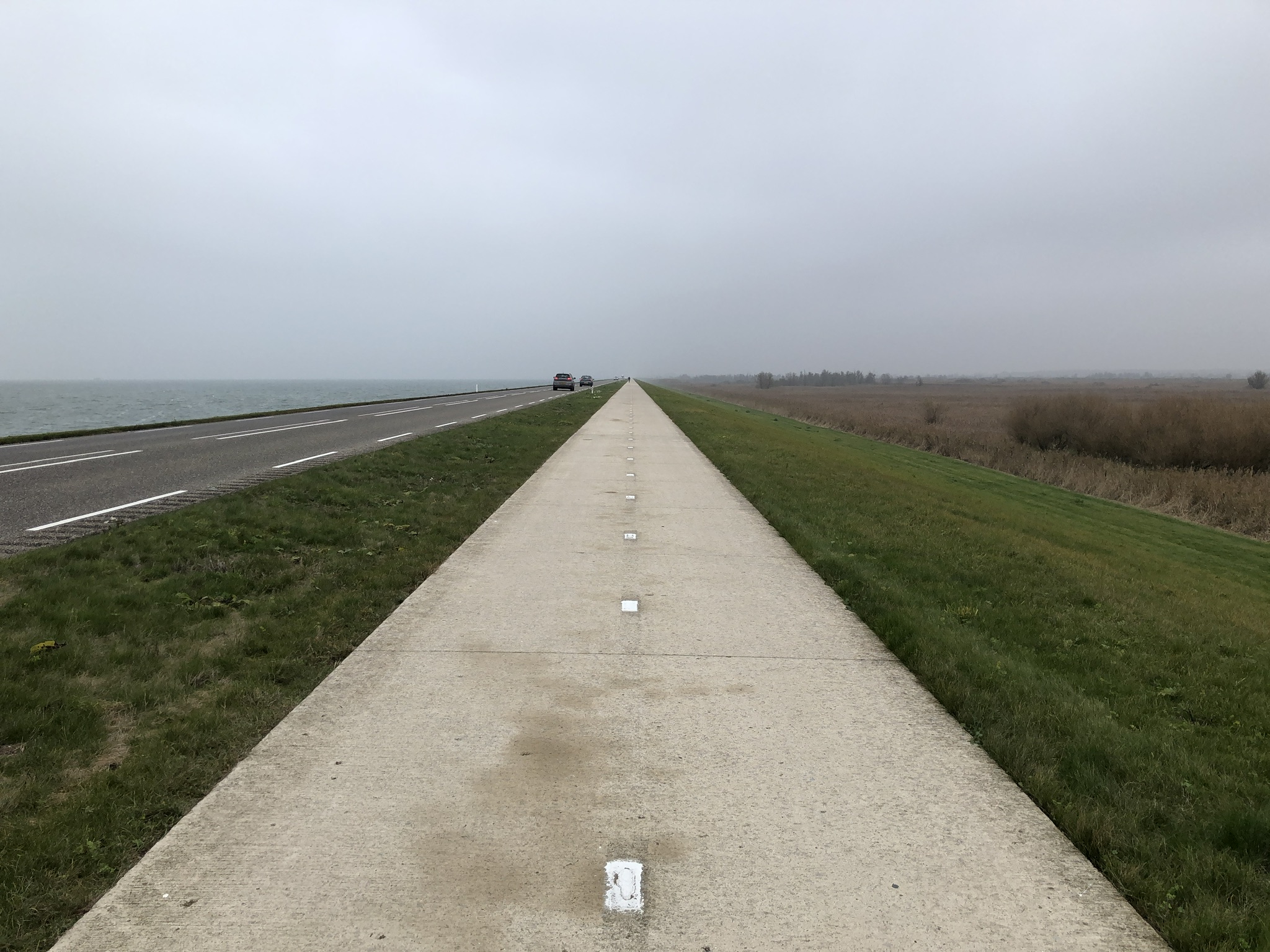
Walking the dykes of Flevoland

When I drove to Flevoland the first time, late October 2018, I was under the impression it would be a one time thing only, accompany a Peaker on one of the legs of her challenge. Little did I know it would be the first of many early morning drives to join a group of Dutch Peakers for a walk.

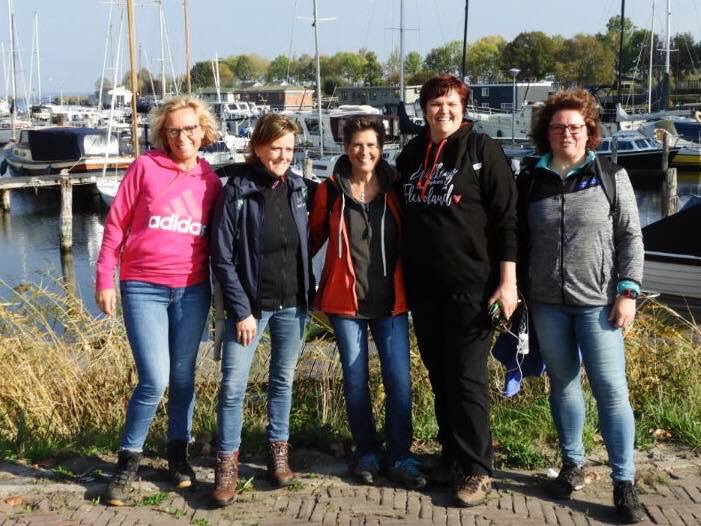
It was still dark when I left home at 6:30 am on that Sundaymorning and after a 2 hour drive, and picking up another Peaker halfway, we arrived at the starting point near Elburg, a parkinglot near a Beachclub. It was a chilly morning and we were craving for coffee and in need of a restroom and neither was available, since the Beachclub was closed. Until the owner appeared and we decided to give it a go and asked if we could please please have a cup of coffee. Shortly after he returned with coffee and even let us use the restroom, showing that hospitality and kindness still exist.

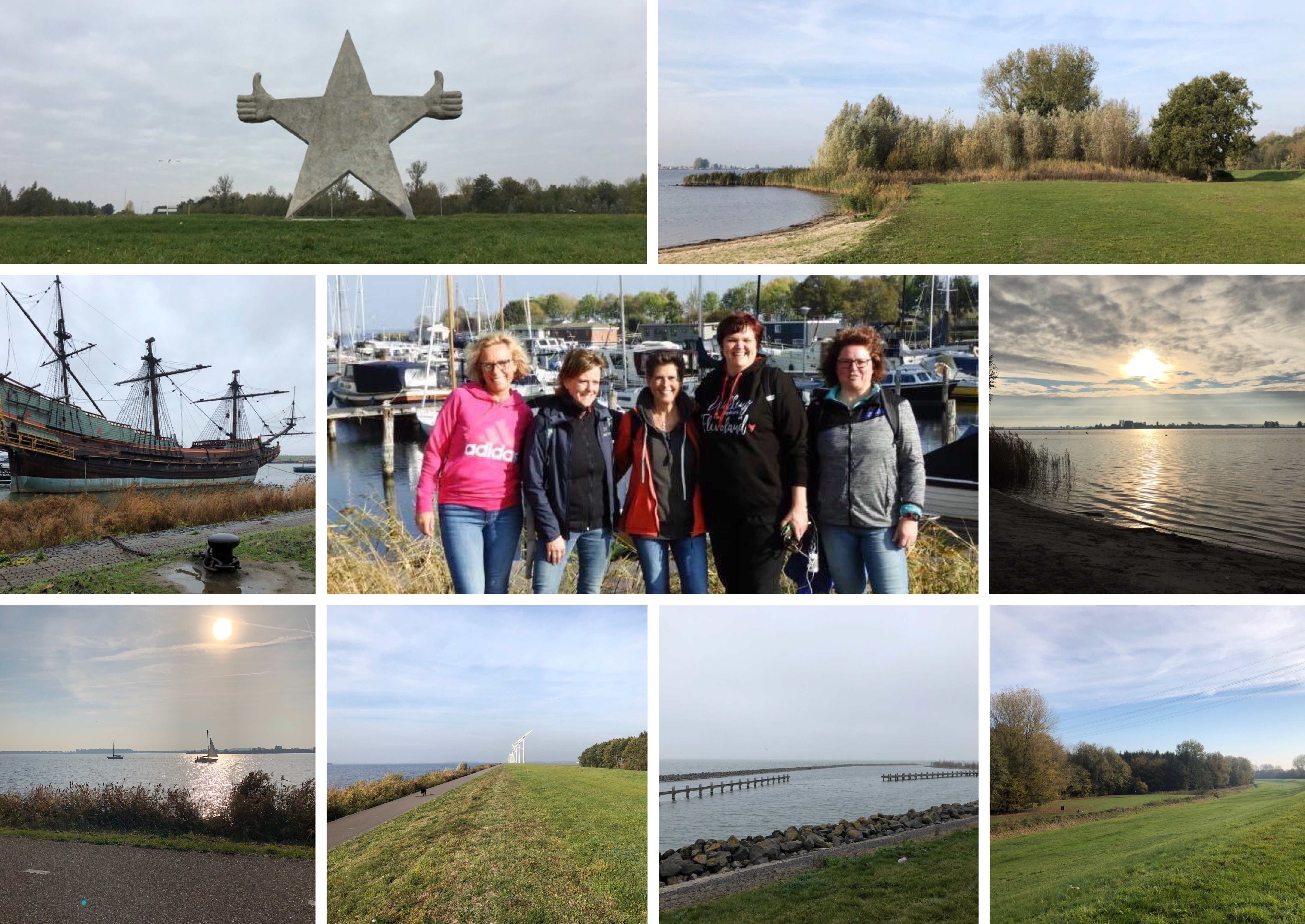
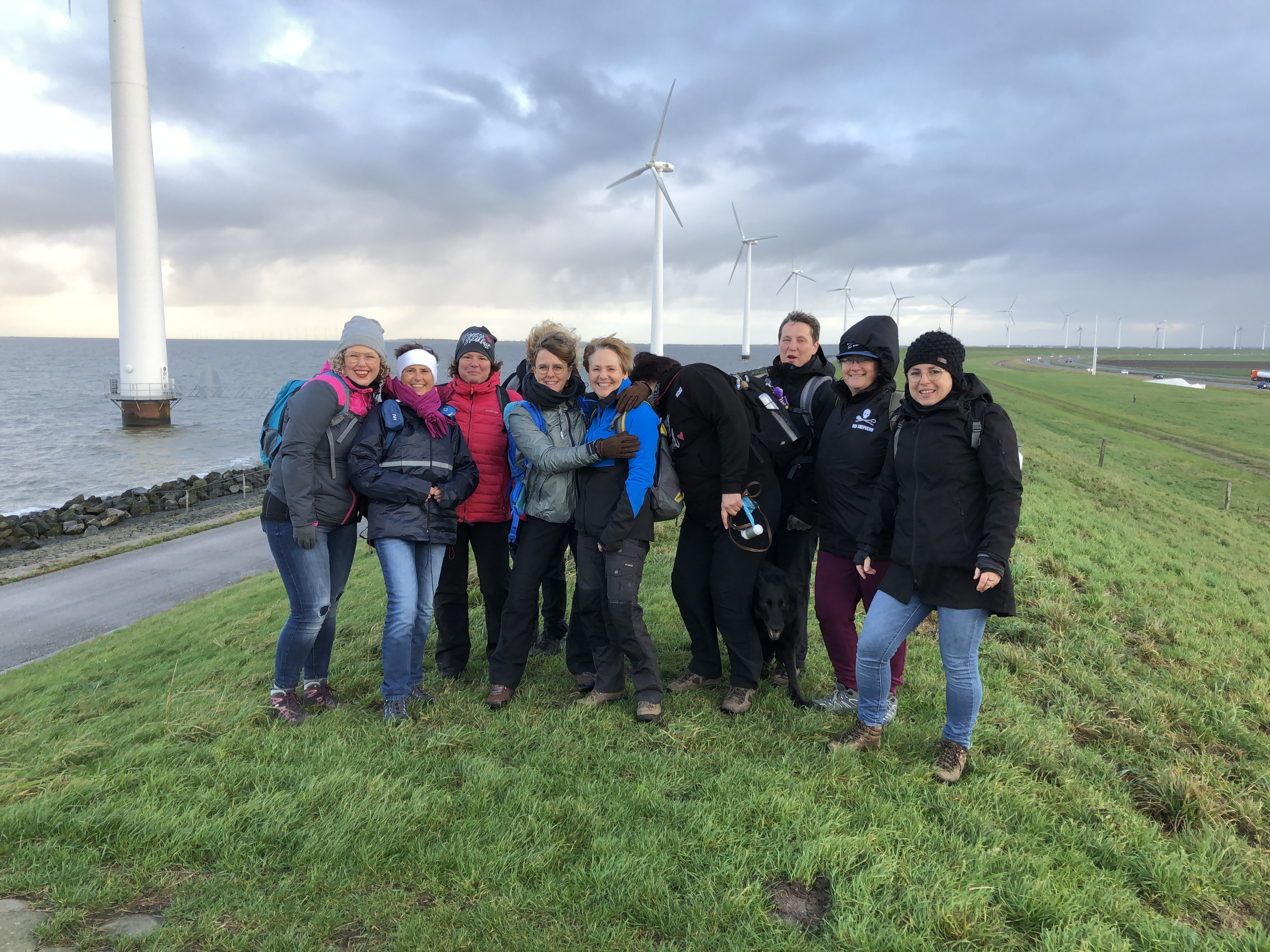
I have no idea what I expected from this walk. Of course I looked forward to this meetup and activity with other Peakers. And the 20 km walk would be a next milestone in distance, since, until then, a 16 km walk during a one-day visit to Istanbul and a 16 km downhill hike through the Samariagorge on Crete were the longest. I can only say that when I drove home I knew this was the first but definitely not the last part of the dykes I had walked! A long story short: in the end I drove 6 consecutive times to Flevoland for a walk over the dykes, a total of about 120 km for me.  And I was not the only one. There was always a group of Dutch Peakers, varying from 2 – 10 to accompany our friend on her challenge. The total distance was 190 km, devided in 9 walks, of about 20 km each.

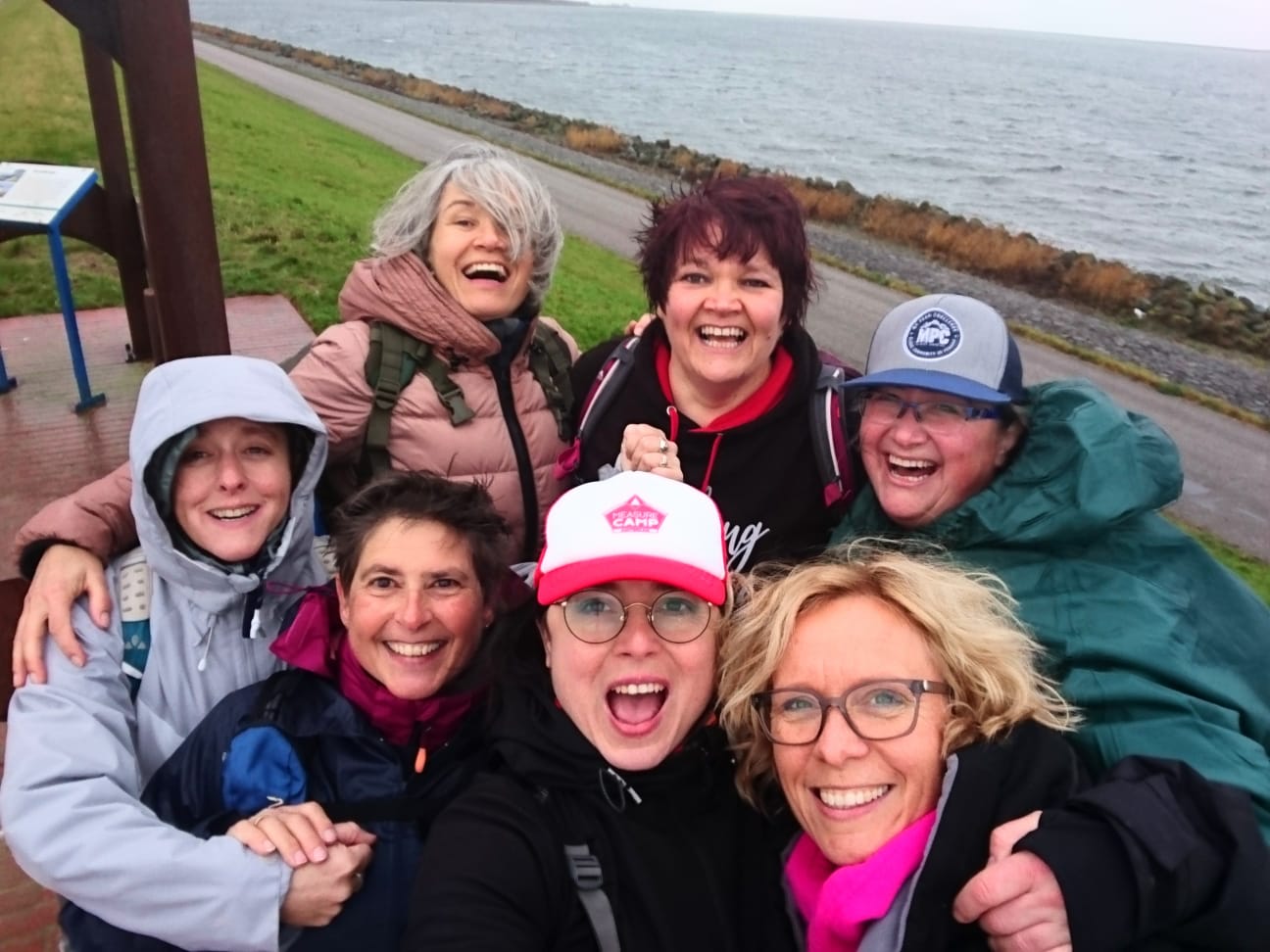
After the chilly start we were blessed with a gorgeous sunny day during our first walk. And even November let us mostly walk in sunny circumstances, chilly but sunny. It was as if the elements thought we needed to be tempted to come more often, which was completely unnecessary. We walked, regardless of the weatherforecast. Sun, rain, wind or cold, it didn’t matter. In fact, to me, sometimes the weathercircumstances added something extra to a walk. Afterwards it felt as if I had conquered an extra element. And I always drove home with a feeling of immense content, physically tired, but mentally revived and energised.

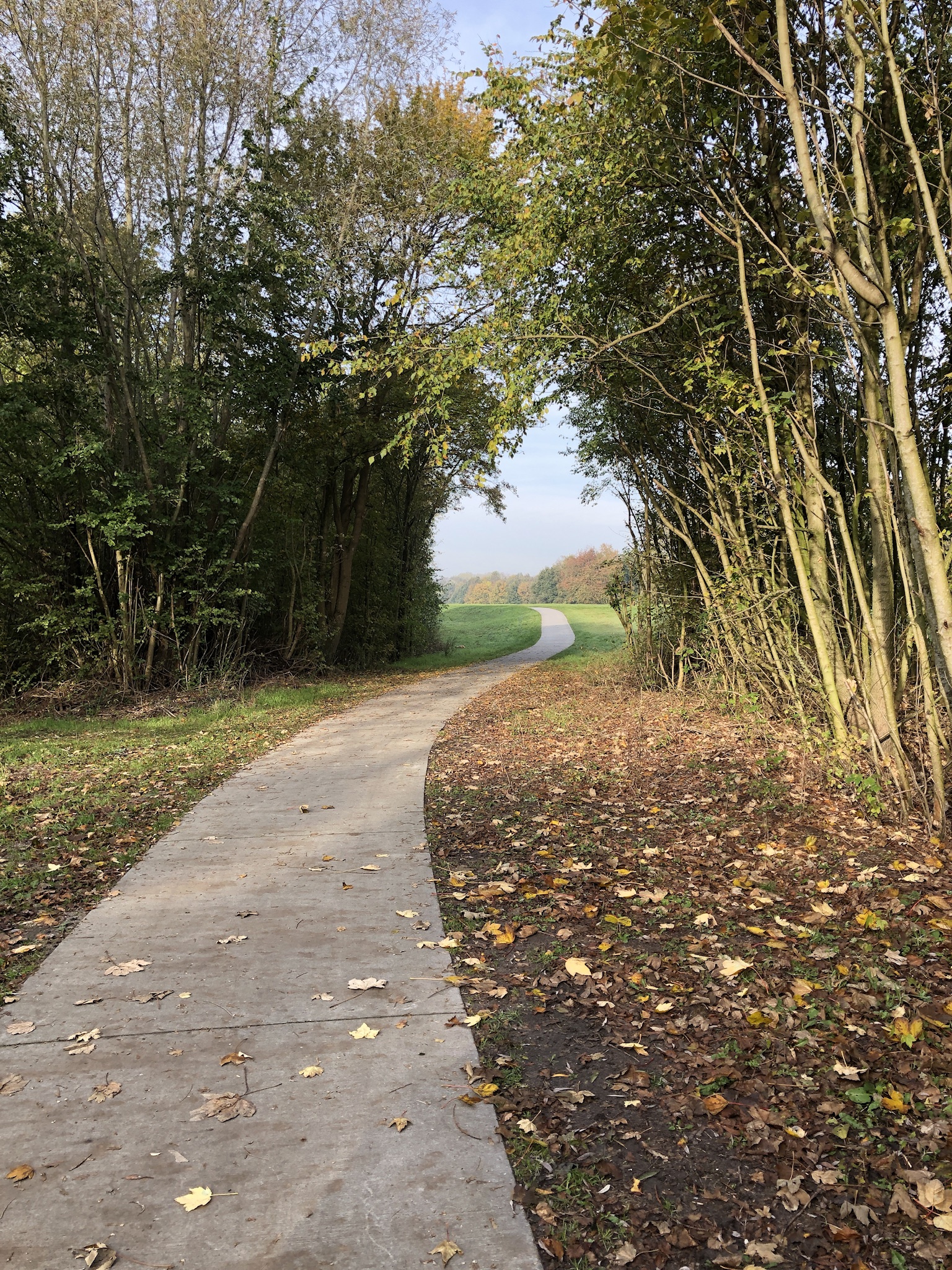
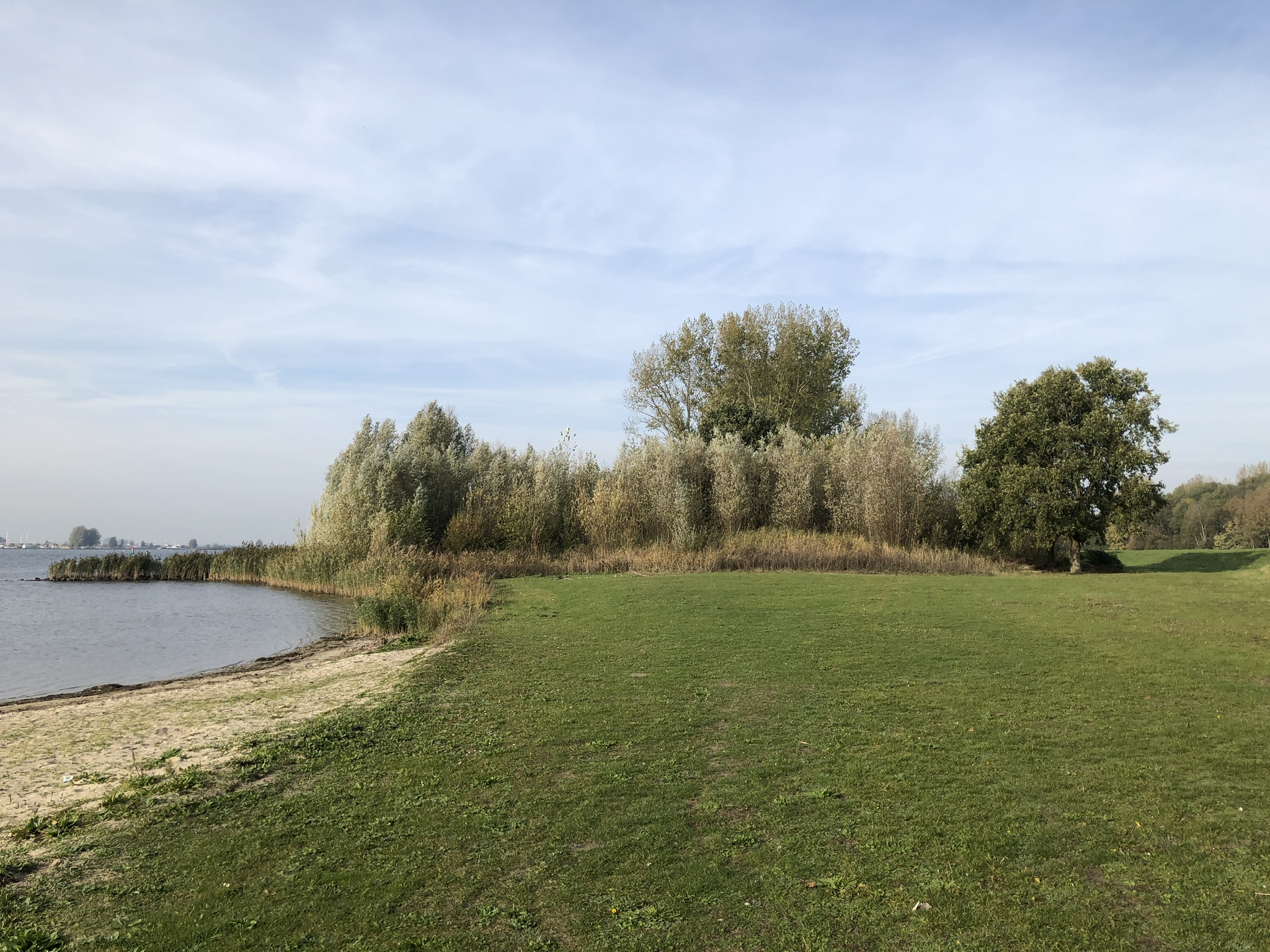
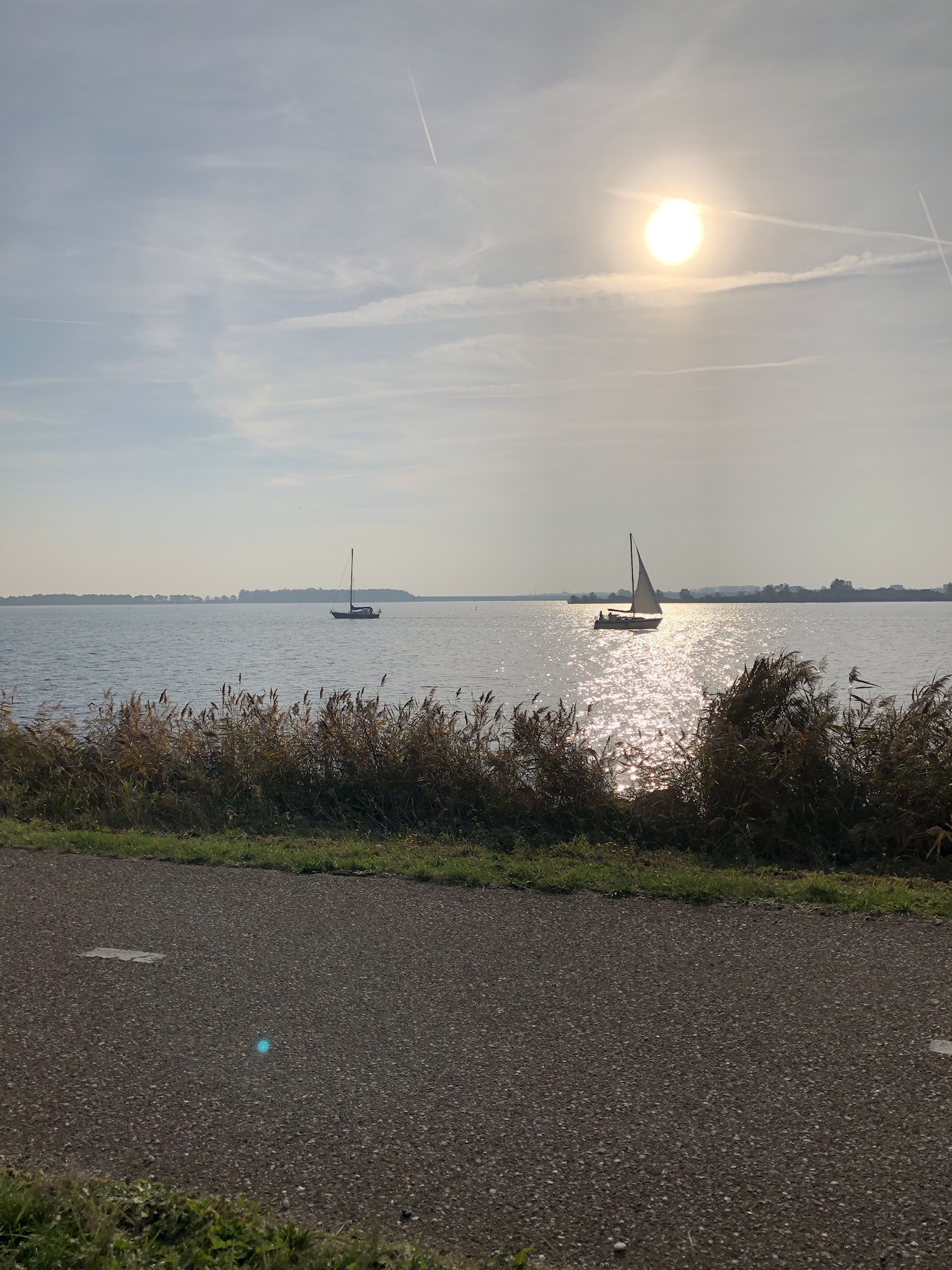
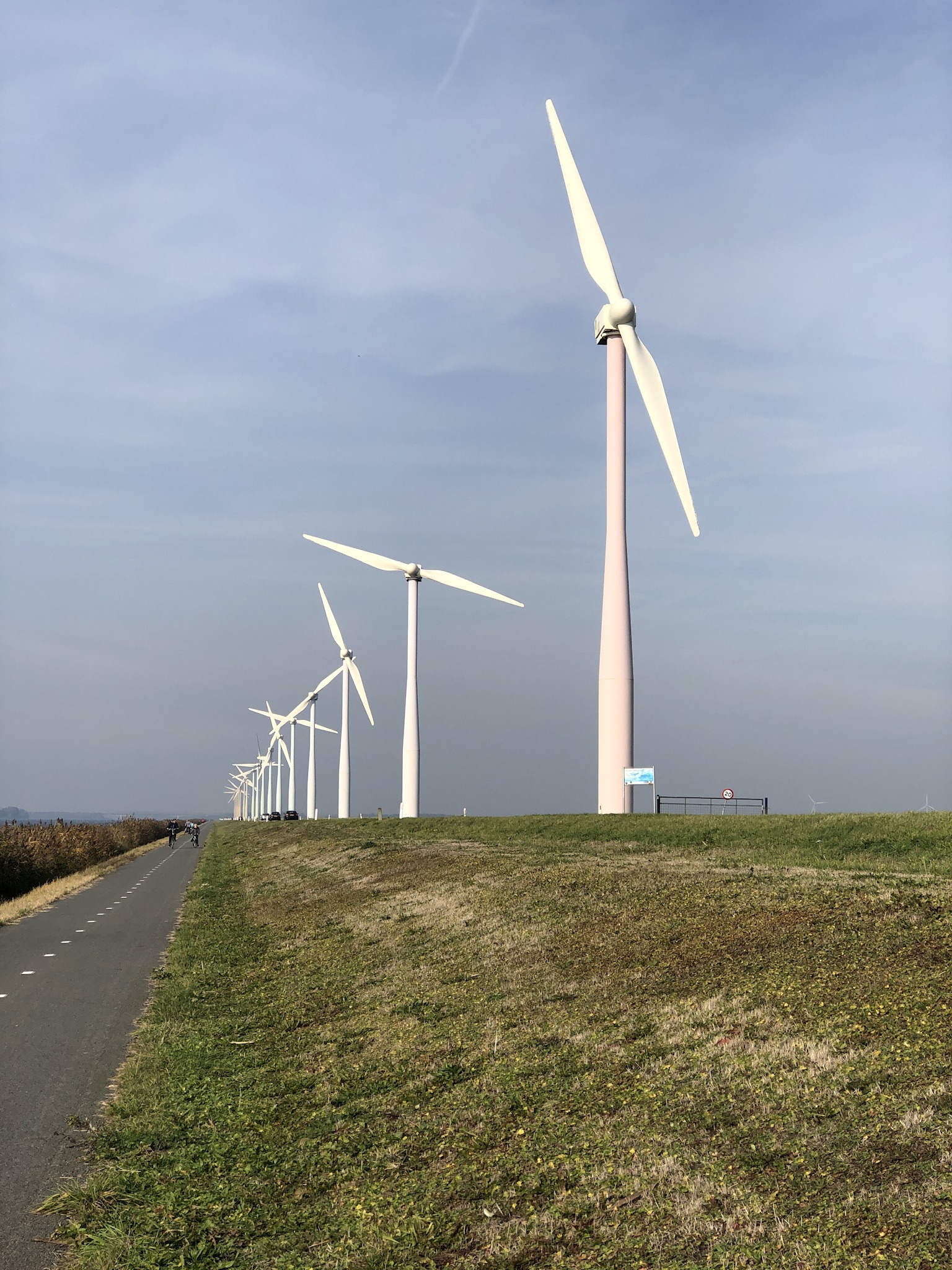
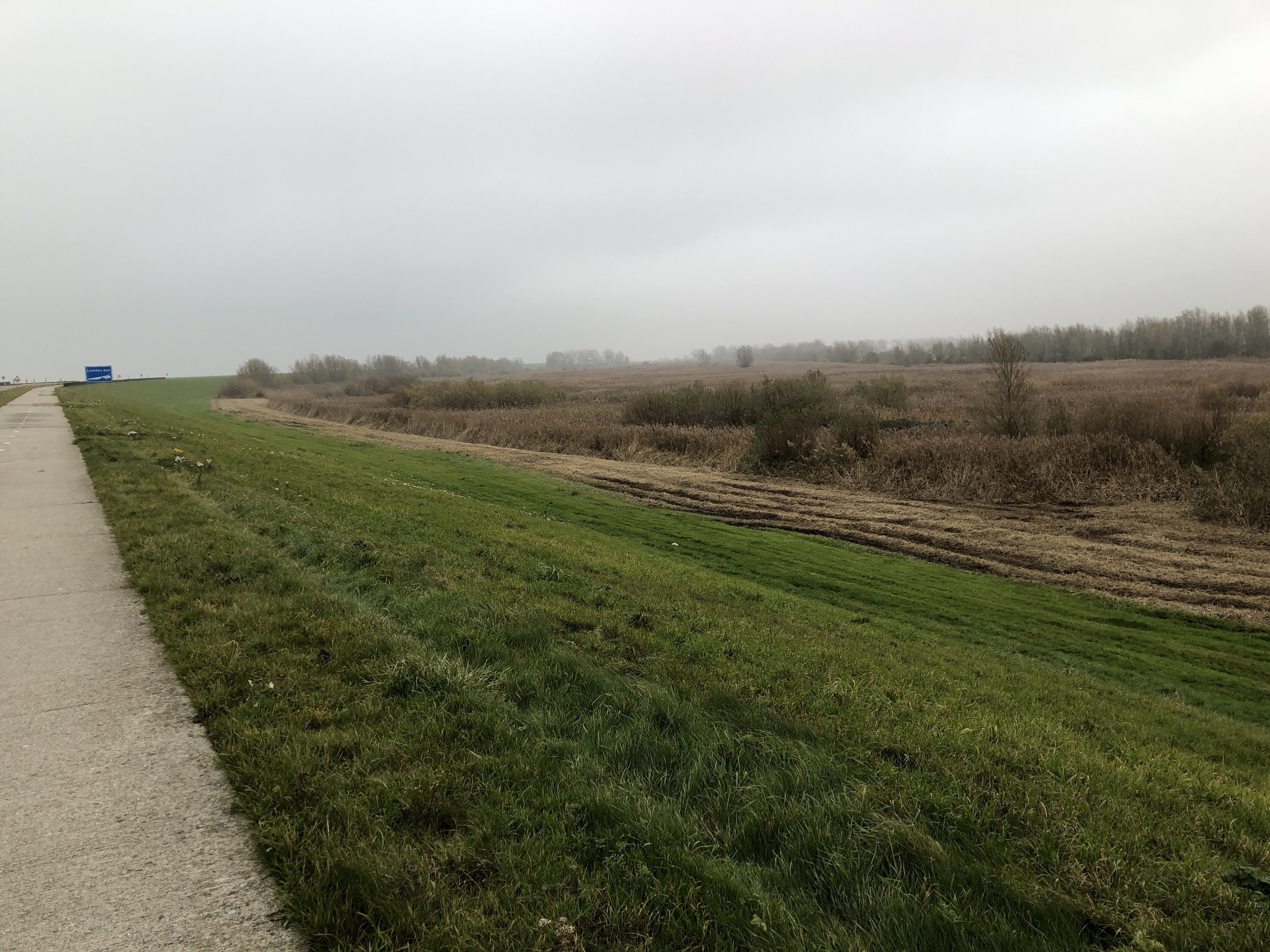
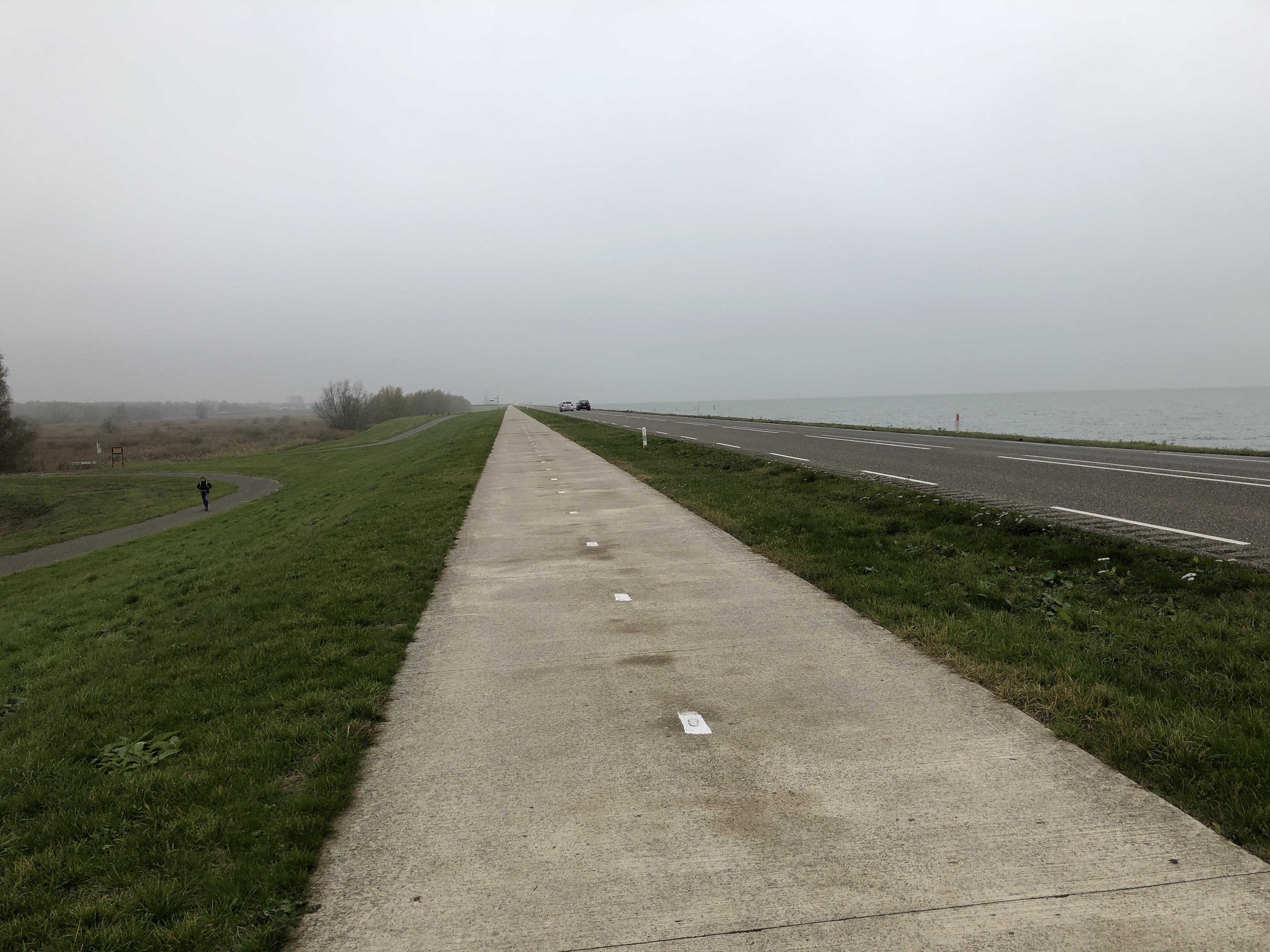
The surroundings were absolutely amazing. I never thought there would be so much variety in landscape while walking on or alongside a dyke. The southeastside and southside of Flevoland are slightly wooded and across the water the other shore is visible. Here we passed a lot of campsites on the shore and small and bigger towns on the other side. Flevoland is a flat province with wide open space and the more westward we walked the more the large energy generating windmills dominated the dykes. It’s a sight that is not to everyones liking but somehow they fit in this landscape, although I can understand that people living in close proximity don’t agree with me. They cast a giant shadow and are very noisy!

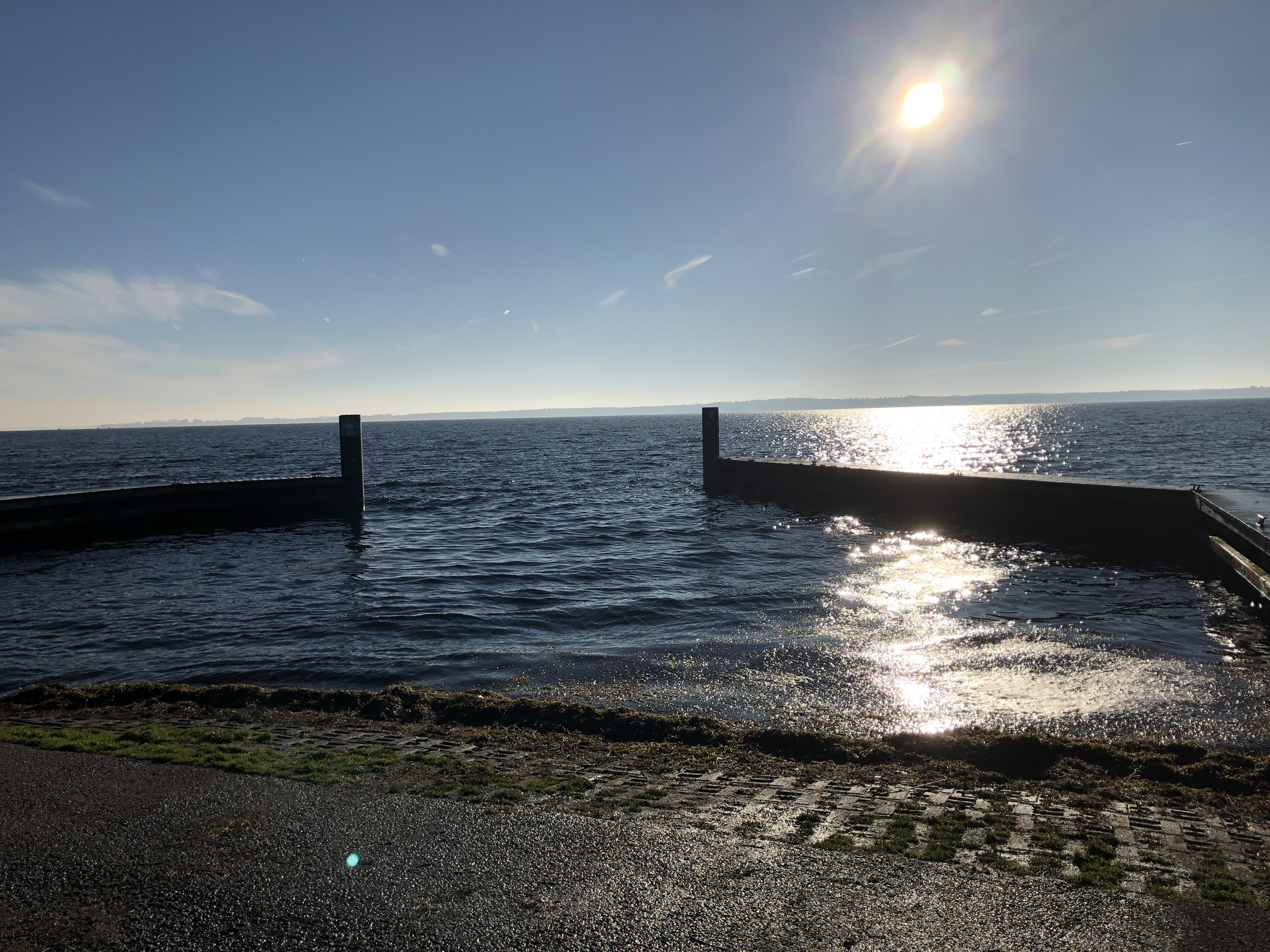
Along the westside and northwest side of Flevoland one side is dominated by the IJsselmeer, with sometimes a glimpse of Amsterdam across the water. Although the weather still treated us with sunshine, the winds were stronger and extra warm clothes became a necessity. Eventually November showed its true face. Our walk on the westside, through the Oostvaardersplassen, was a real challenge in itself. It was a grey and sometimes misty day, with temperatures just above 0°C that felt freezing due to the cold wind from the north blowing in our face, and stops were as short as possible to prevent from getting too cold. A deep sigh was heard when we finally reached the other side of the dyke where we found at least some shelter from the cold wind. On our walk along the northwest side  rainprotection was needed, but on our last part, that ended where our Peakerfriend’s journey began, we were again blessed with a cold but sunny day. 

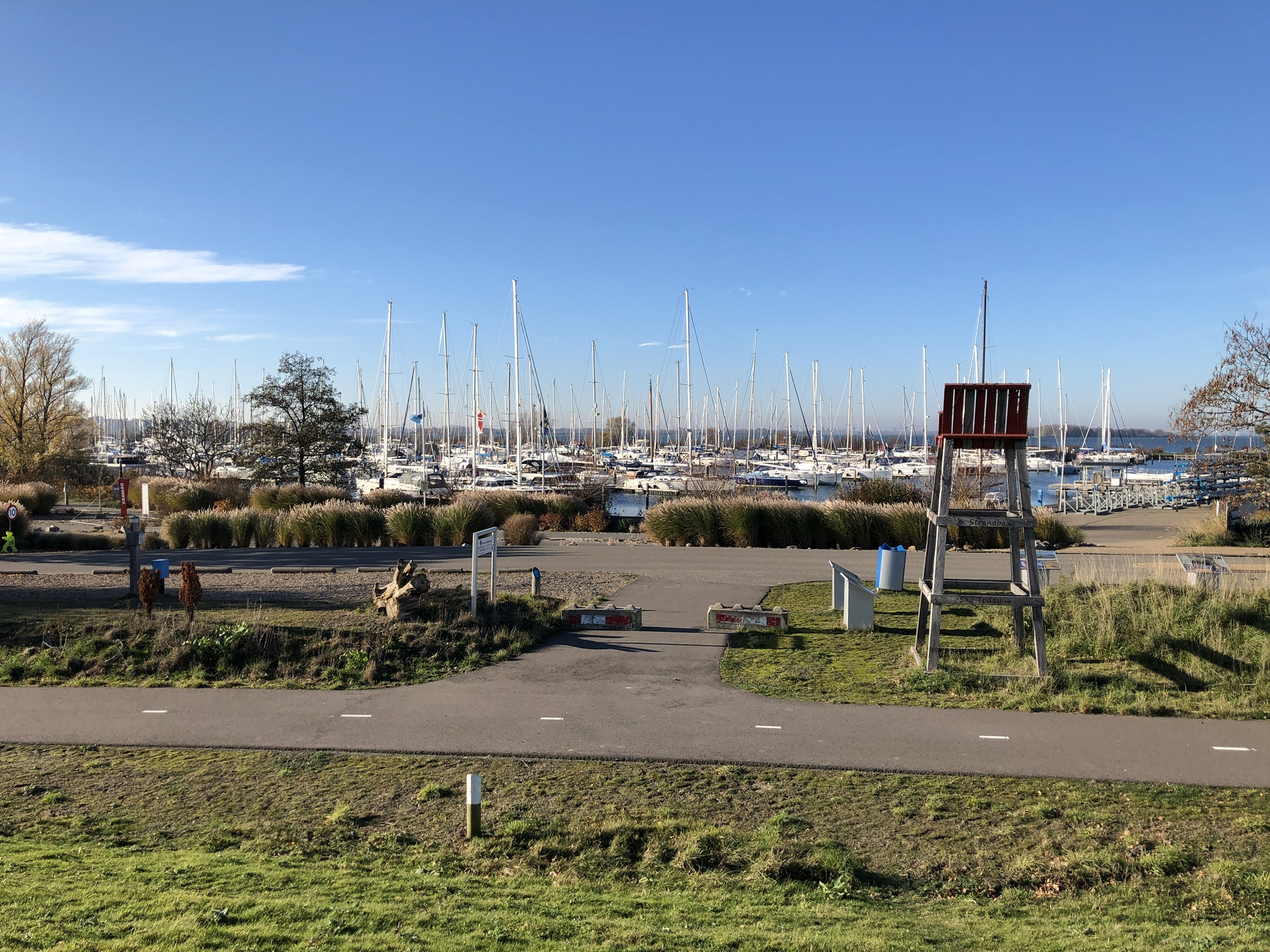
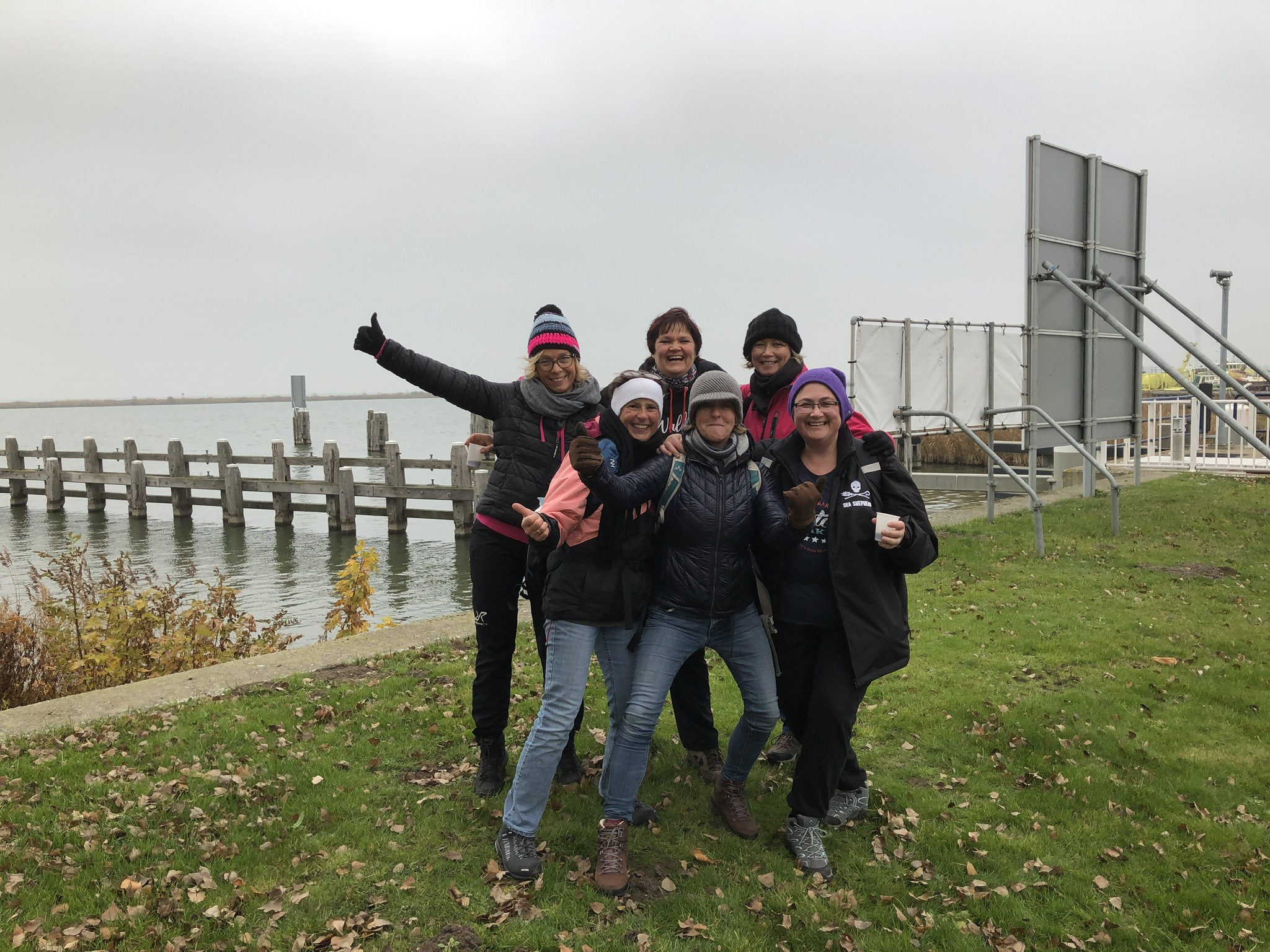
Like I said before I never expected so much variety in landscape along these dykes. Whether it’s a landscape with forest, campsites and harbours or meadows, distant towns, or the vast open space of the IJsselmeer and the Oostvaardersplassen, each has their own charm. Combined with the uplifting company of friends it was a unique experience in every way. Challenges were accomplished, limits were pushed, elements were conquered and friendships were formed. But most of all, it was pure joy to be in the presence of a group of likeminded people, who were (sometimes) strangers at first but became friends along the way.

After all these Sundaywalks together we realised that we would miss these walks very much once the challenge was accomplished, and started thinking of continuing walking with groups of Dutch Peakers in 2019. Before the end of 2018 we had a scheme with 22 walks all over the Netherlands in 2019. Walks where one Peaker would/will show us a part of the province she lives in, her own ‘backyard’ or another part she’d like to show us. As I write this we just completed walk number 9 (blog: https://wp.me/paWbrQ-7C ) and I was lucky to participate in almost all of them so far. It already brought me to beautiful places and there is more to come from Dutch Peakers walking the Netherlands.

I am still grateful for the fact that one Dutch Peaker challenged herself to walk the dykes of Flevoland and allowed us to join her and that I took the step to do so. Going through the photoalbum I made and seeing the joyful photos makes me smile every time.

Sometimes the smallest step in the right direction ends up being the biggest step of your life. Tiptoe if you must, but take the step!